A modern traditional living room seamlessly combines the timeless elegance of classic design with the clean lines, functionality, and simplicity of modern interiors. This style brings together traditional furniture, luxurious textures, and classic architectural details with contemporary touches like minimalist décor, neutral palettes, and smart layouts. The result is a living room that feels sophisticated, inviting, and perfectly balanced.
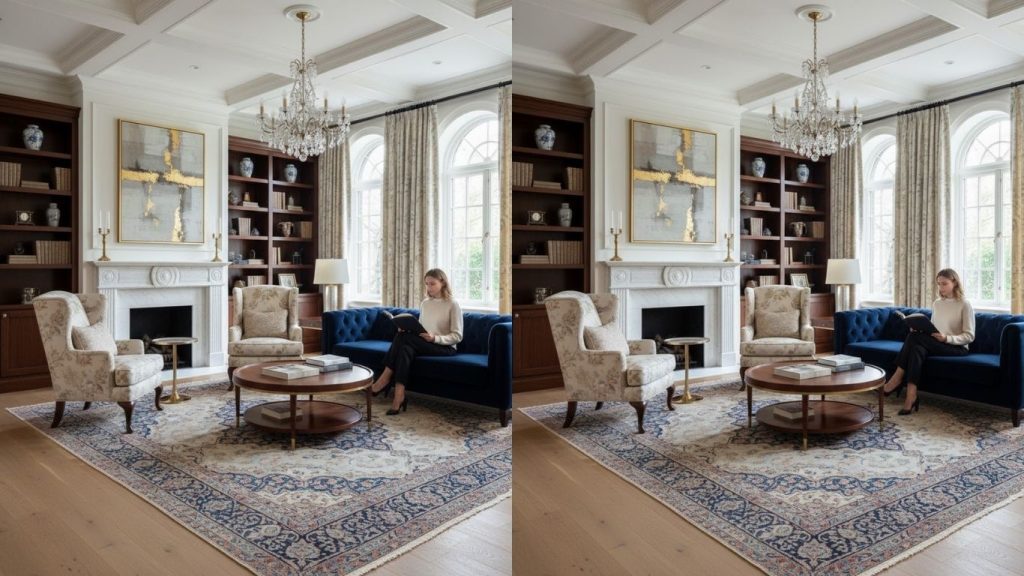
Creating a modern traditional living room allows you to enjoy the best of both worlds: the warmth and character of traditional elements and the fresh, uncluttered look of modern design. Whether your home has high ceilings, large windows, or a more compact layout, this style can be adapted to suit any space. Before exploring the 15 inspiring ideas, here are five essential items to help you build the foundation for your modern traditional living room.
5 Items to Buy to Elevate Your Modern Traditional Living Room
1. Classic Upholstered Sofa
A classic upholstered sofa is a must-have for a modern traditional living room. Choose elegant fabrics like velvet, linen, or soft cotton in neutral shades such as beige, gray, or muted jewel tones. Rolled arms, tufted backs, or tailored designs bring a traditional feel while maintaining a modern silhouette. The sofa becomes the central seating piece, combining comfort and style and acting as the anchor around which other design elements are arranged.
2. Wooden Coffee Table
A wooden coffee table adds warmth and solidity to the living room. Opt for high-quality wood with subtle detailing that complements traditional furniture but keeps lines clean for a modern twist. Coffee tables with drawers or shelves provide functional storage while enhancing the room’s aesthetic. This piece bridges modern and traditional design elements, offering both practicality and timeless elegance.
3. Statement Lighting
Lighting is essential for creating ambiance and highlighting your design choices. Consider chandeliers, pendant lights, or floor lamps with a mix of traditional and contemporary features, such as crystal accents paired with sleek metal finishes. Statement lighting illuminates the room, highlights textures, and acts as a focal point. Proper lighting creates warmth and sophistication, essential for a modern traditional living room.
4. Area Rugs
An area rug defines the seating area, adds texture, and introduces pattern or color. Choose rugs with subtle traditional motifs, Persian-inspired designs, or modern geometric patterns in muted tones. The rug anchors furniture, adds warmth, and softens the room while reinforcing the style’s balance of classic and modern elements. Layered textures on the floor enhance comfort and visual appeal.
5. Accent Chairs
Accent chairs in rich fabrics or leather add style, function, and visual interest. Chairs with traditional curves or tufted details complement modern sofas and tables. Placing chairs near windows, fireplaces, or seating arrangements creates conversational zones. Accent chairs reflect both comfort and elegance, reinforcing the modern traditional aesthetic while offering flexibility in design and function.
Understanding Modern Traditional Living Room Design
The modern traditional living room blends classic architecture, furniture, and textures with modern simplicity and functionality. Key characteristics include: neutral color palettes, layered textures, traditional furniture with modern lines, strategic lighting, and thoughtful décor. Balance is critical: the elegance of traditional pieces should harmonize with the clean, uncluttered feel of modern design.
This design encourages deliberate curation—every piece should serve a purpose or enhance visual harmony. By combining timeless elements with contemporary updates, your living room becomes both functional and stylish, capable of evolving with trends while remaining classic.
Modern Traditional Living Room Ideas
1. Blend Classic and Modern Furniture
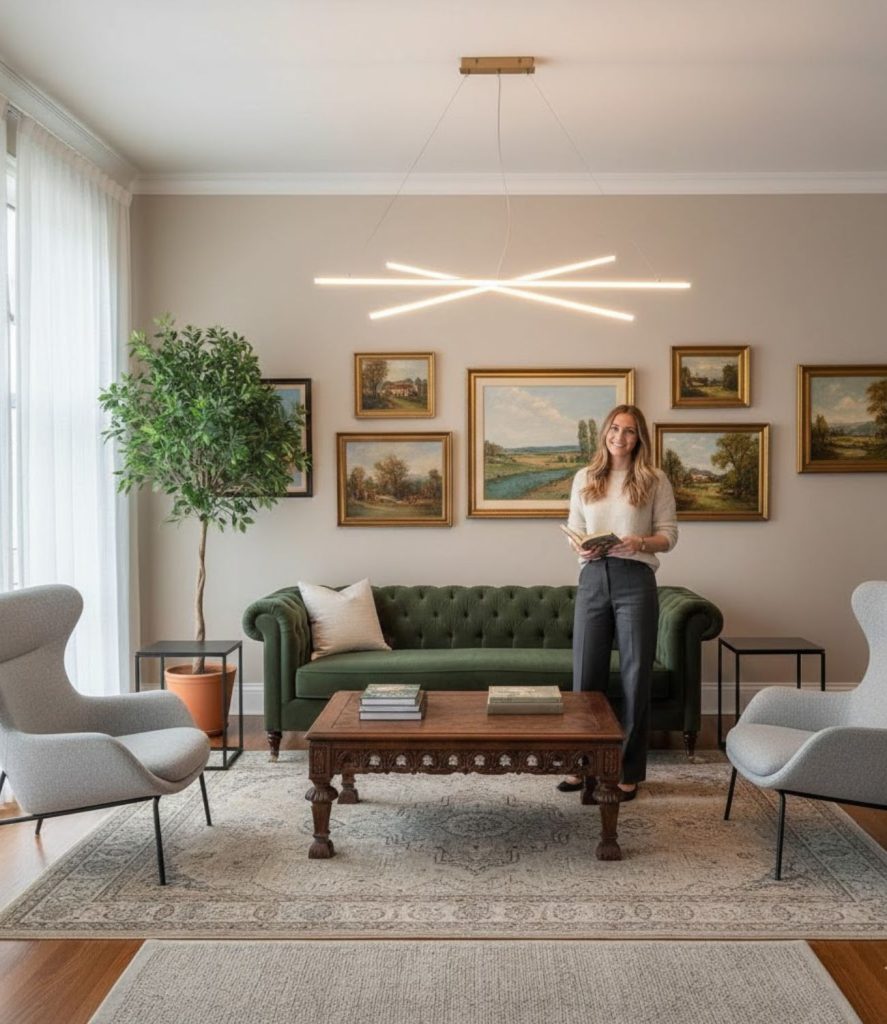
Combine traditional sofas, wingback chairs, and carved wood tables with sleek modern furniture pieces. This approach maintains balance and creates visual interest. Modern chairs or minimalist tables paired with classic upholstery or wood detailing unify the space. Blending styles ensures elegance without sacrificing contemporary simplicity.
2. Embrace Neutral Color Palettes
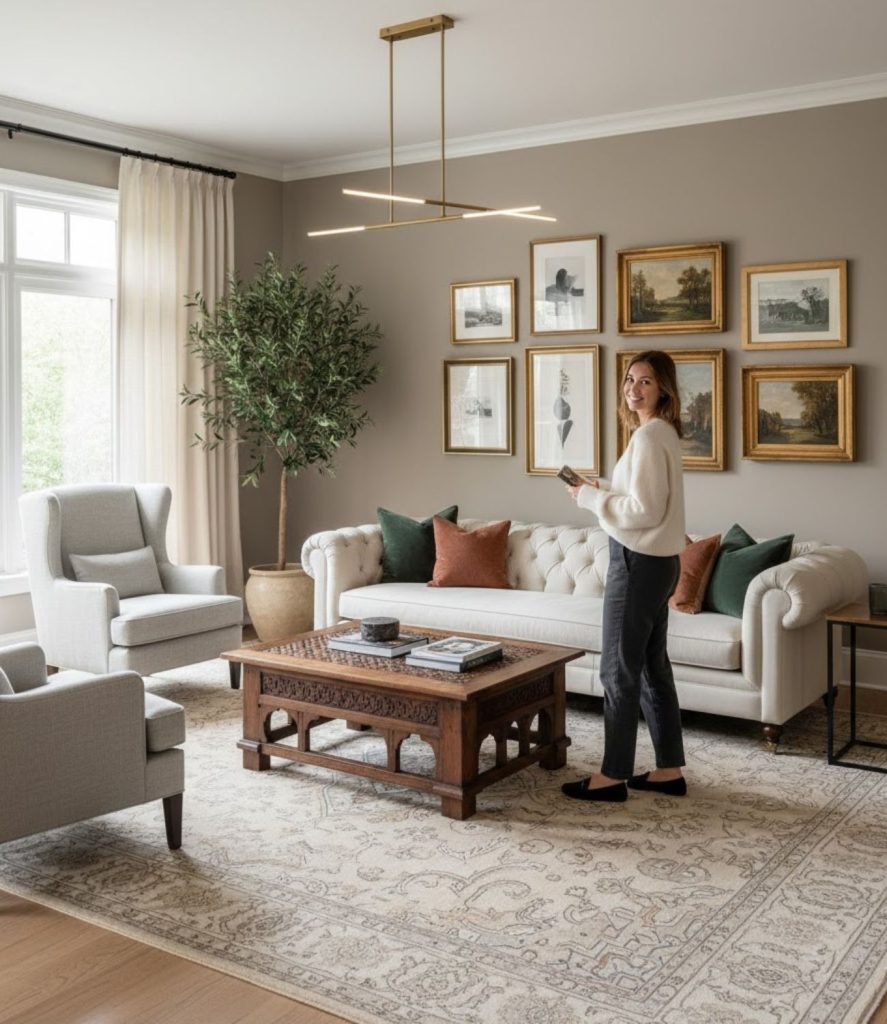
Neutral colors like beige, taupe, gray, and ivory create a serene foundation. These tones allow furniture, textiles, and décor to stand out while maintaining cohesion. Introduce subtle pops of color in accents like cushions, curtains, or artwork. Neutral palettes enhance sophistication and adaptability, key for modern traditional living rooms.
3. Use Layered Textures
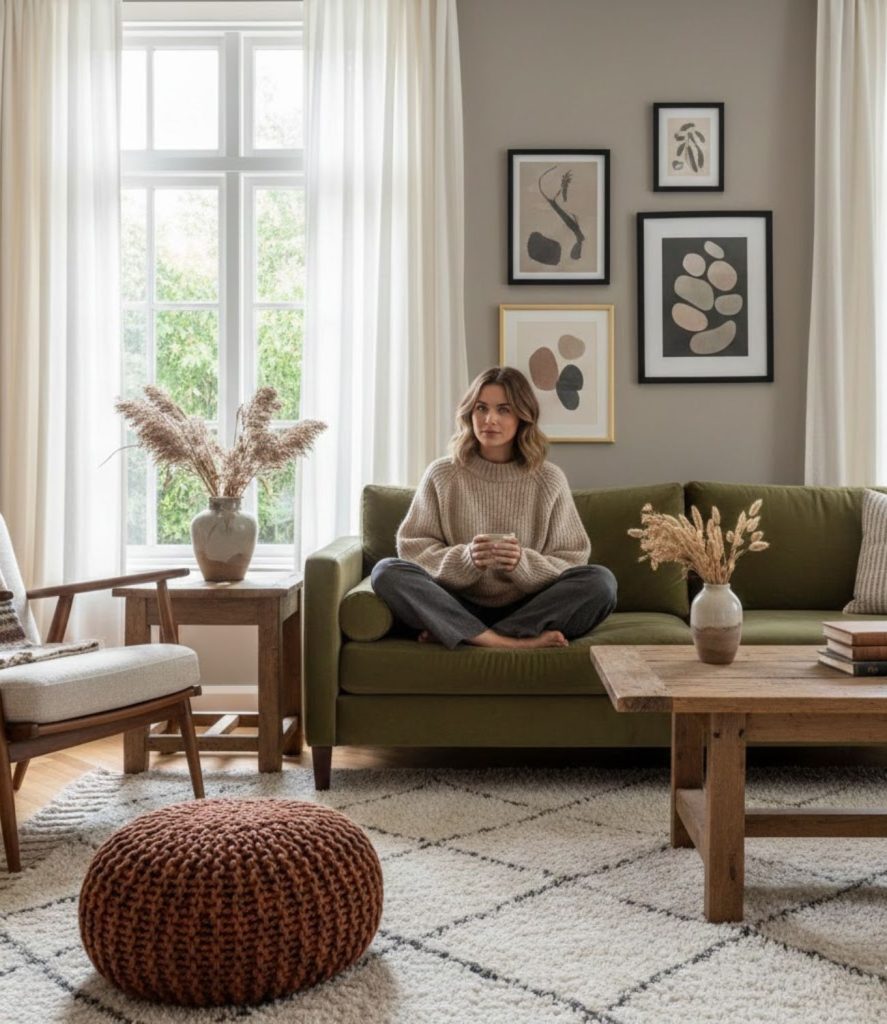
Layering textiles and materials adds depth and warmth. Combine velvet or linen upholstery, wool rugs, silk curtains, and wooden furniture. Mixing soft and hard surfaces balances comfort and structure. Layered textures create a rich, inviting environment that is both modern and traditional, enhancing the overall aesthetic.
4. Incorporate Statement Lighting
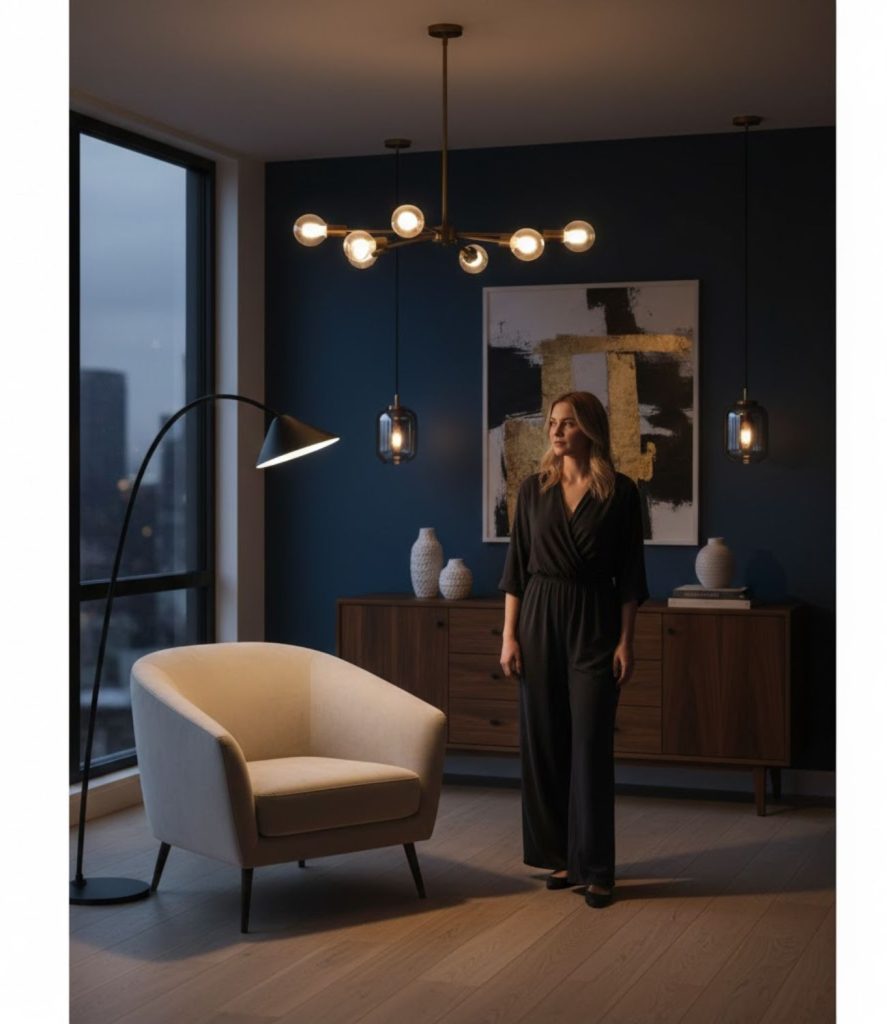
Chandeliers, floor lamps, and pendant lights create focal points and illuminate the space. Consider lighting that combines traditional elegance with modern finishes, like brass or matte black. Lighting adds drama, highlights textures, and sets the mood for both casual and formal occasions.
5. Introduce Decorative Molding and Trim
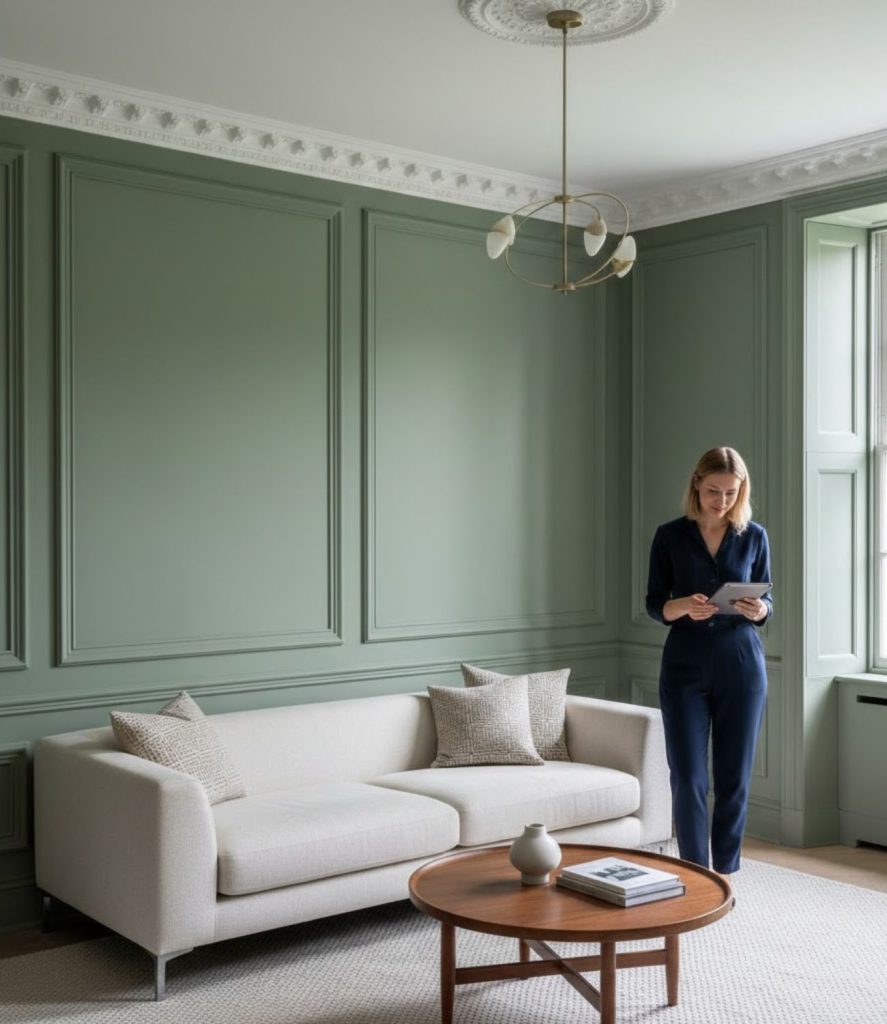
Traditional elements like crown molding, wainscoting, or ceiling medallions add architectural interest. Pair these with simple modern furniture to prevent the room from feeling overly formal. Subtle trim details elevate elegance while maintaining balance with contemporary simplicity.
6. Add Area Rugs with Patterns
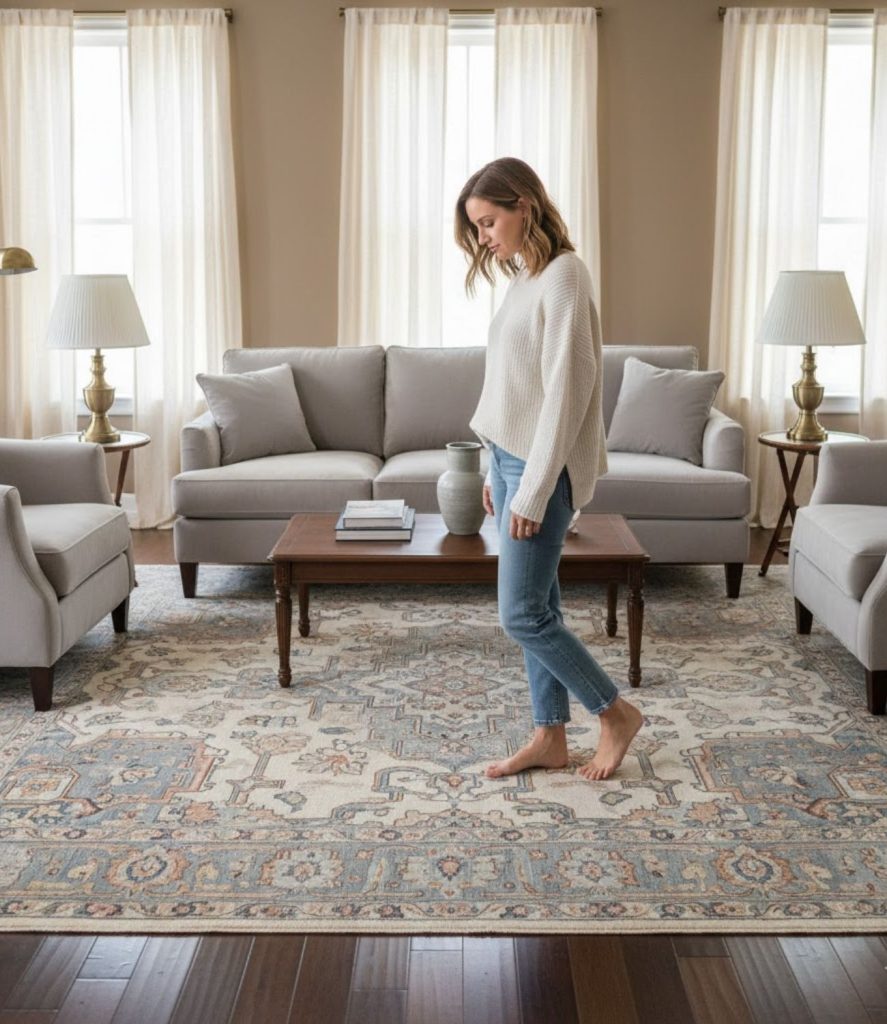
Rugs with traditional patterns, muted florals, or subtle geometric designs anchor the seating area. Choose rugs that complement furniture and color palettes without overpowering the space. Patterned rugs unify the room’s elements, adding warmth, comfort, and a touch of classic elegance.
7. Incorporate Natural Materials
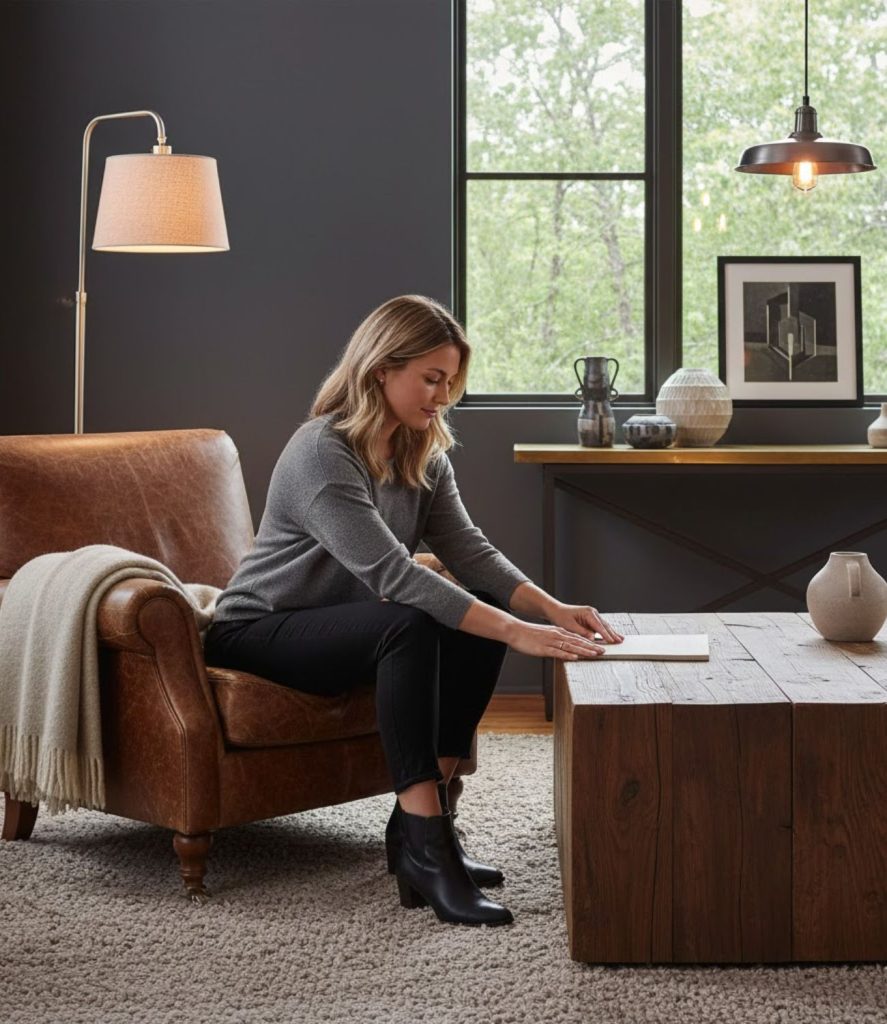
Wood, stone, leather, and metal enhance authenticity and tactile appeal. Wooden tables, leather chairs, and metal accents balance comfort and sophistication. Natural materials contribute to timelessness, durability, and visual interest, supporting the fusion of modern and traditional elements.
8. Curate Artwork and Mirrors
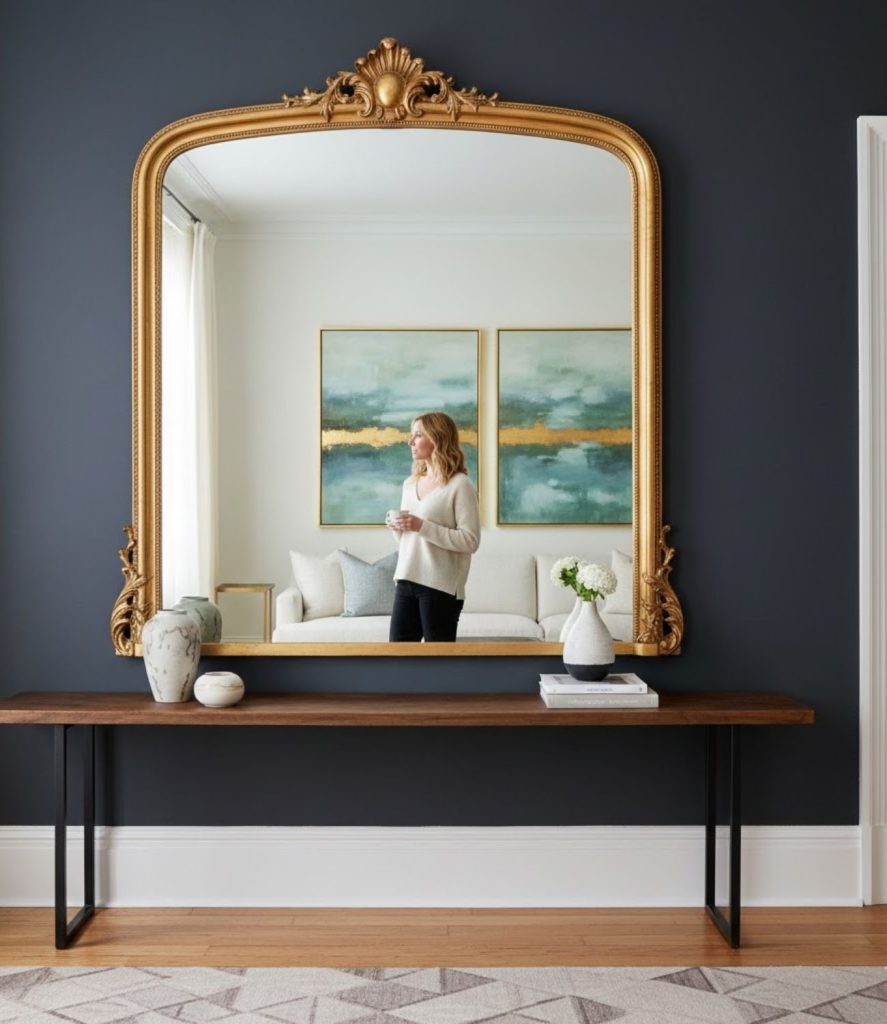
Artwork and mirrors reflect personality and enhance spatial perception. Large mirrors can make the room feel more expansive, while classic or abstract paintings introduce color and focus. Balanced placement ensures visual flow and emphasizes the room’s design without overcrowding surfaces.
9. Select Window Treatments Carefully
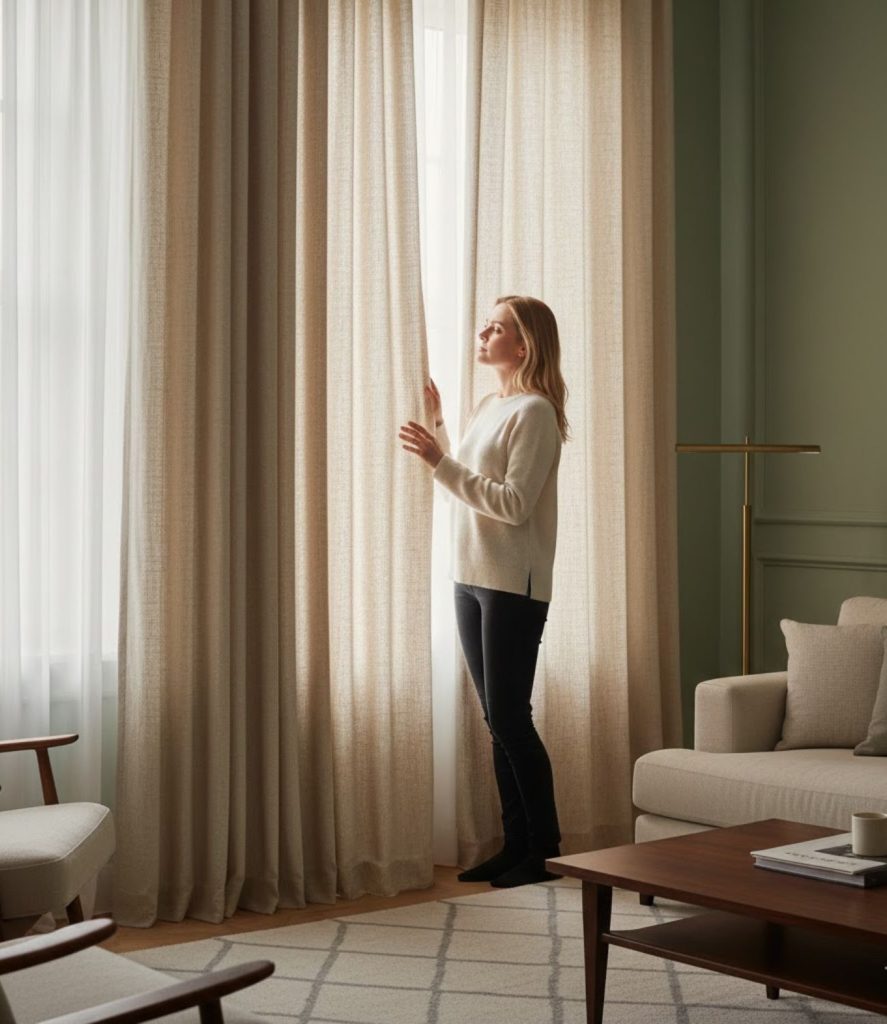
Use curtains, drapes, or blinds that combine elegance with functionality. Heavy fabrics can provide a traditional touch, while lighter materials maintain brightness and openness. Neutral or muted tones complement furniture and décor, balancing warmth and modern simplicity.
10. Incorporate Accent Chairs and Ottomans
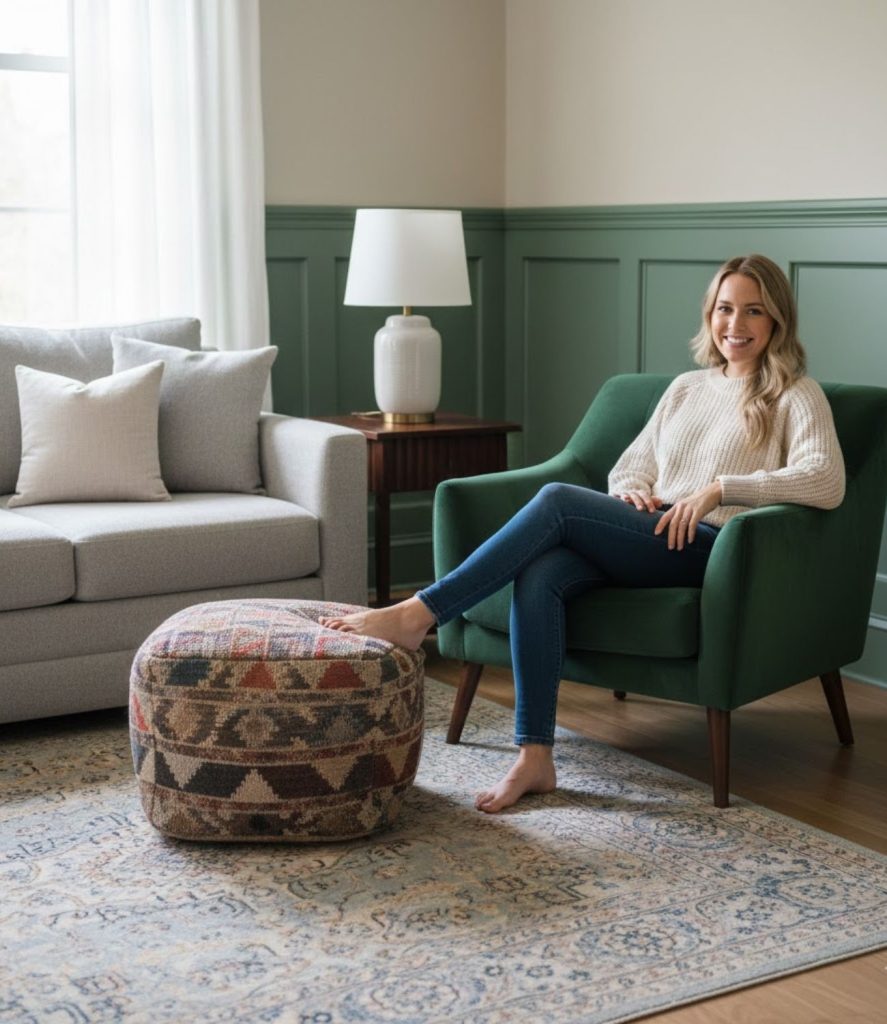
Accent chairs and ottomans offer additional seating while introducing style and texture. Choose pieces that harmonize with sofas and tables, balancing traditional curves with modern silhouettes. These elements create flexibility, enhance comfort, and strengthen the room’s cohesive look.
11. Balance Open Space with Cozy Corners
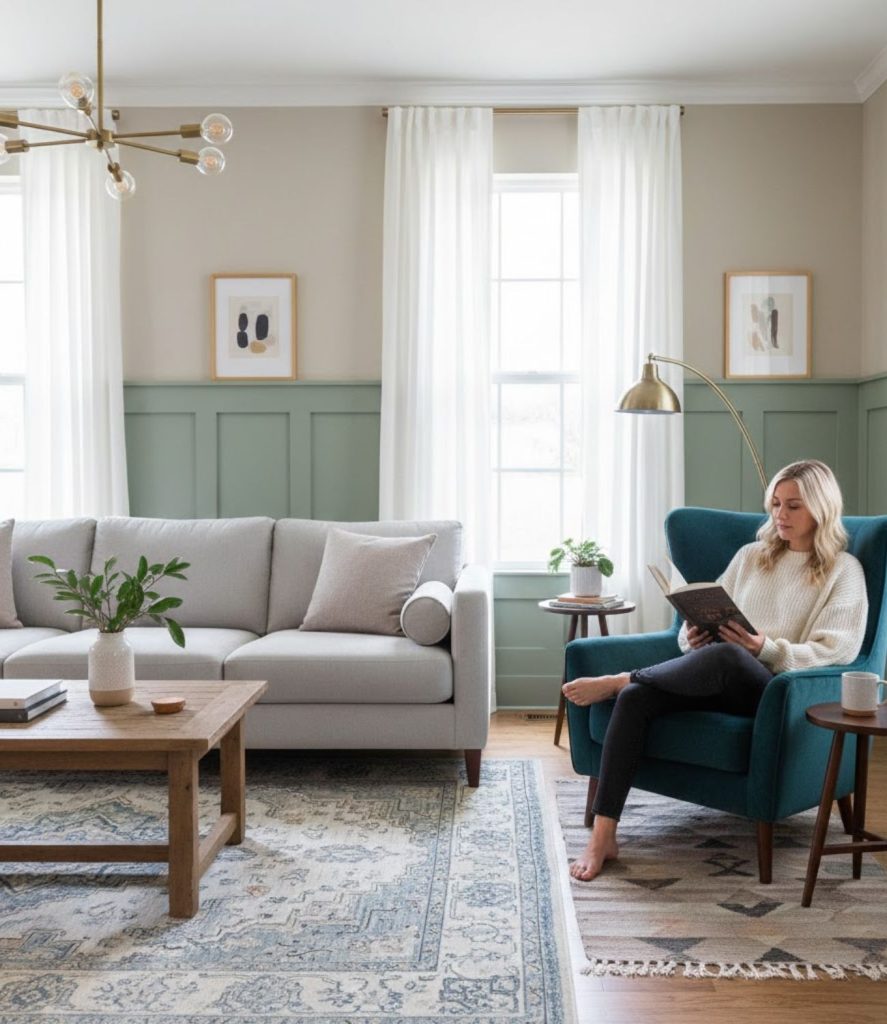
Maintain openness in the living room while creating intimate seating or reading areas. Use rugs, furniture placement, and accent lighting to define spaces. This approach ensures functionality, comfort, and aesthetic balance, essential for modern traditional interiors.
12. Introduce Metallic Accents
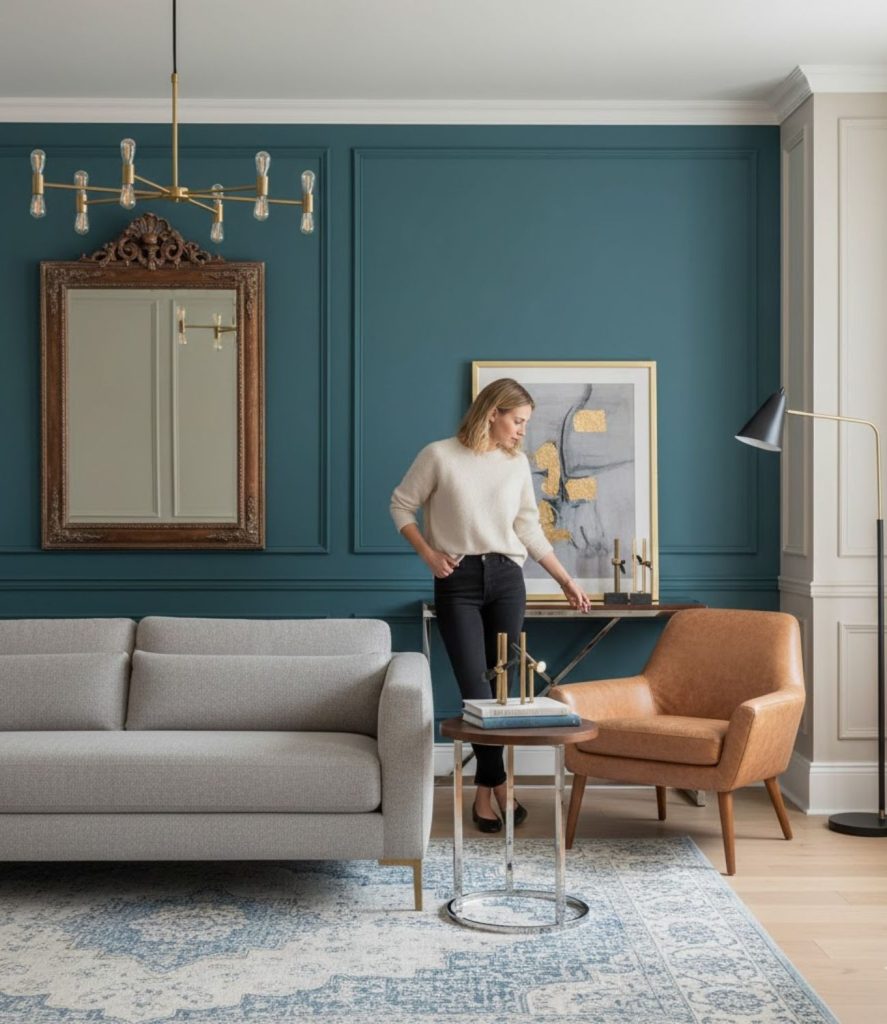
Subtle metallic finishes like brass, bronze, or chrome add sophistication and contemporary flair. Use metallic accents in lighting, table legs, frames, or decorative objects. Metallic touches contrast textures and enhance visual appeal while blending traditional elegance with modern style.
13. Focus on Symmetry
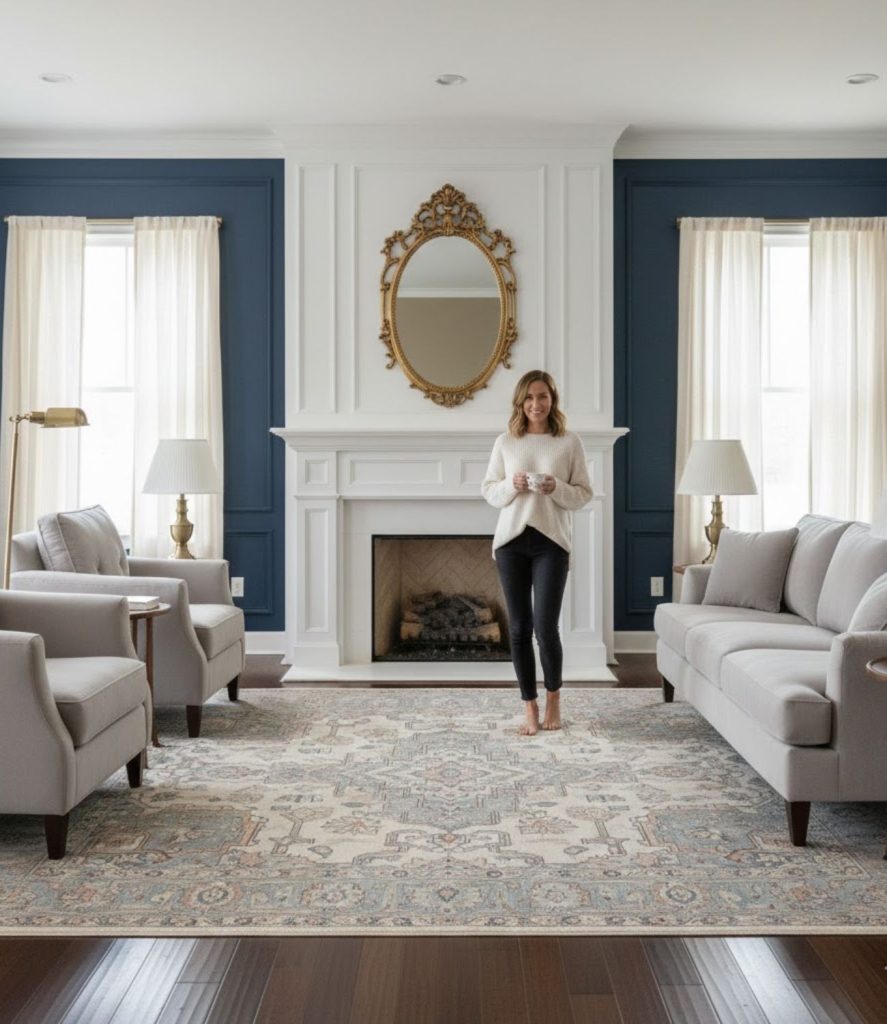
Arrange furniture and décor with symmetry in mind to create a balanced, harmonious room. Pair chairs, lamps, or side tables on either side of a sofa or fireplace. Symmetry emphasizes traditional elegance while complementing modern clean lines, achieving visual cohesion.
14. Use Built-In Storage Solutions
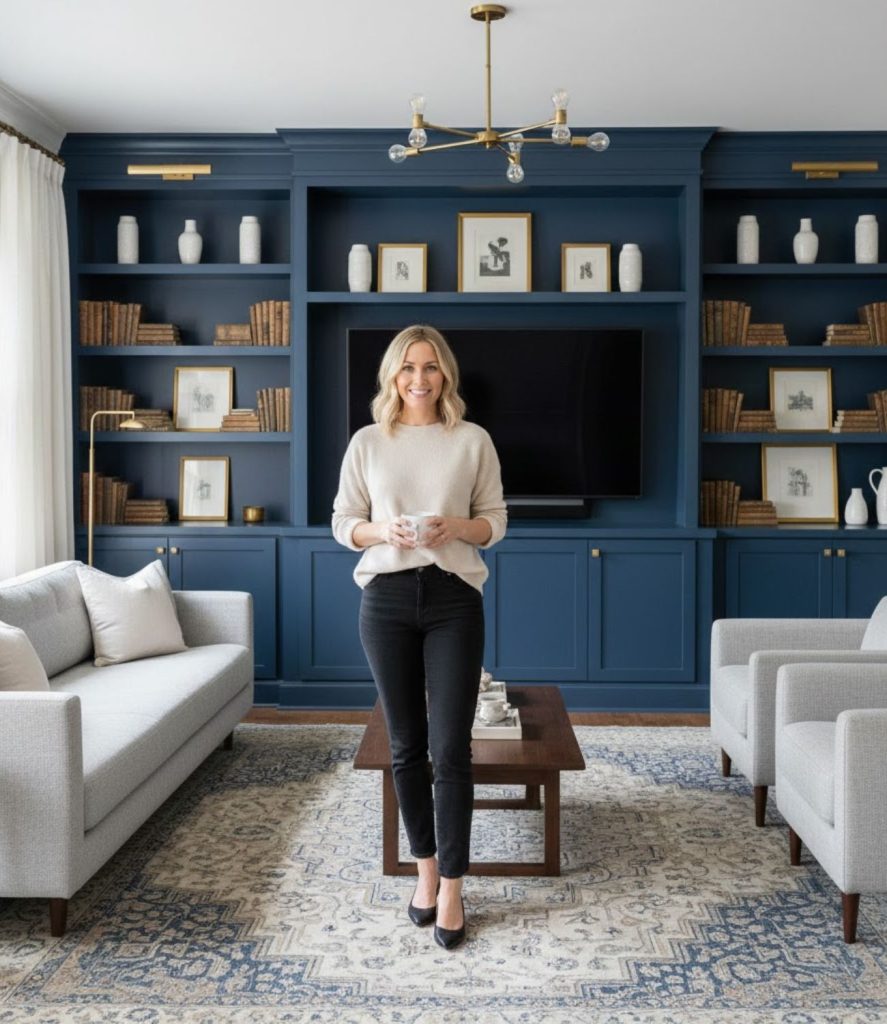
Built-in shelves, cabinets, or sideboards optimize functionality while keeping the room tidy. These solutions maintain clean surfaces and minimize clutter, essential for modern traditional design. Built-ins provide both storage and display opportunities, blending utility with elegance.
15. Layer Accessories Thoughtfully
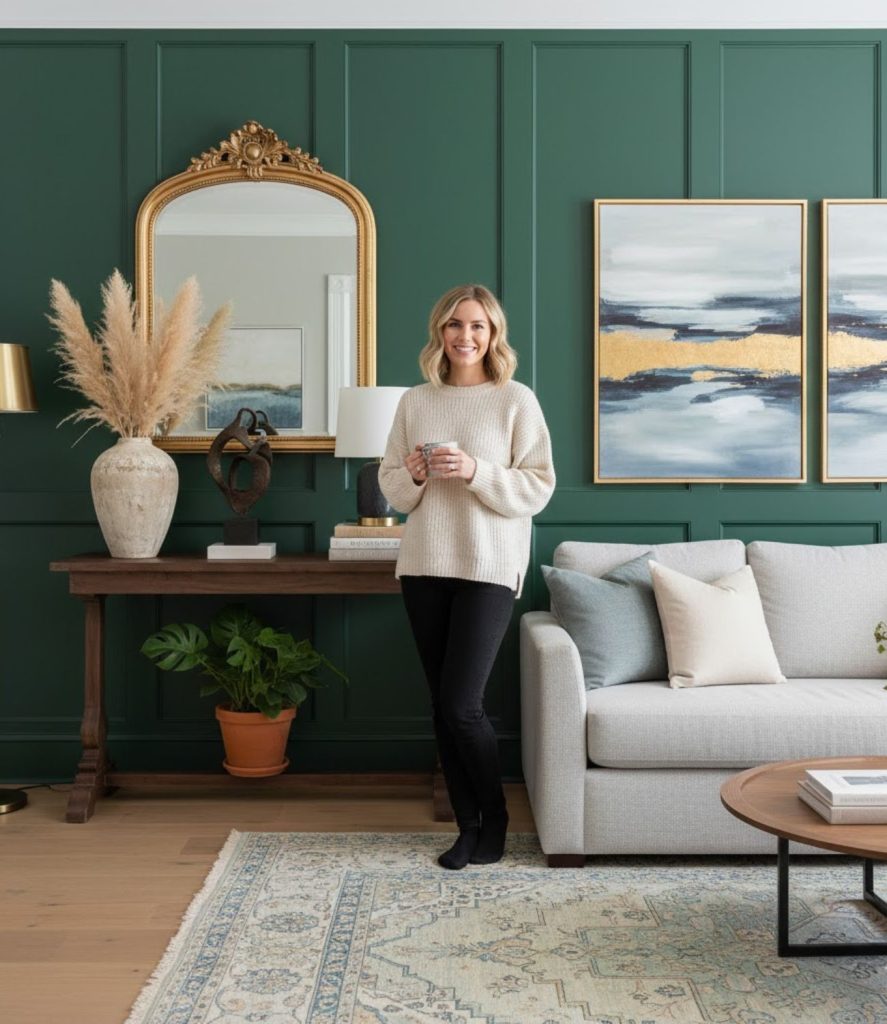
Curate decorative items like vases, sculptures, books, and plants without overcrowding surfaces. Layering enhances depth, texture, and personality. Each item should support the overall aesthetic, combining traditional charm with contemporary minimalism for a cohesive, stylish living room.
FAQs
What colors suit a modern traditional living room?
Neutral bases with muted jewel tones, soft pastels, or earthy accents create balance and sophistication.
How can I mix modern and traditional furniture effectively?
Pair classic sofas or chairs with minimalist tables and contemporary décor. Maintain cohesion through color, material, and scale.
Can a small living room be modern traditional?
Yes, choose scaled furniture, neutral tones, multifunctional pieces, and layered textures to maximize space and style.
What materials define modern traditional interiors?
Wood, leather, velvet, linen, metal, and natural stone are commonly used to blend warmth with elegance.
How do I add personality without clutter?
Select curated accessories, artwork, and lighting that enhance design while maintaining open, clean surfaces.
Final Words
A modern traditional living room balances the elegance and charm of classic design with the simplicity and functionality of modern interiors. By thoughtfully selecting furniture, layering textures, incorporating natural materials, and maintaining a cohesive color palette, you can create a space that is both inviting and stylish. The 15 ideas outlined in this guide provide practical inspiration for blending tradition and modernity, ensuring a living room that is timeless, comfortable, and visually captivating. Attention to balance, proportion, and curation allows your space to be both sophisticated and highly livable.