A modern Japandi living room blends the quiet elegance of Japanese design with the warm simplicity of Scandinavian interiors. This hybrid aesthetic has become one of the most loved home décor styles, especially for those seeking calm, balance, and minimalism. Japandi interiors are known for clean lines, natural textures, soft color palettes, and thoughtful functionality. Every piece has purpose, and every corner breathes intention. The combination of sleek modernity and nature-inspired elements makes the living room feel grounded, peaceful, and beautifully uncluttered.
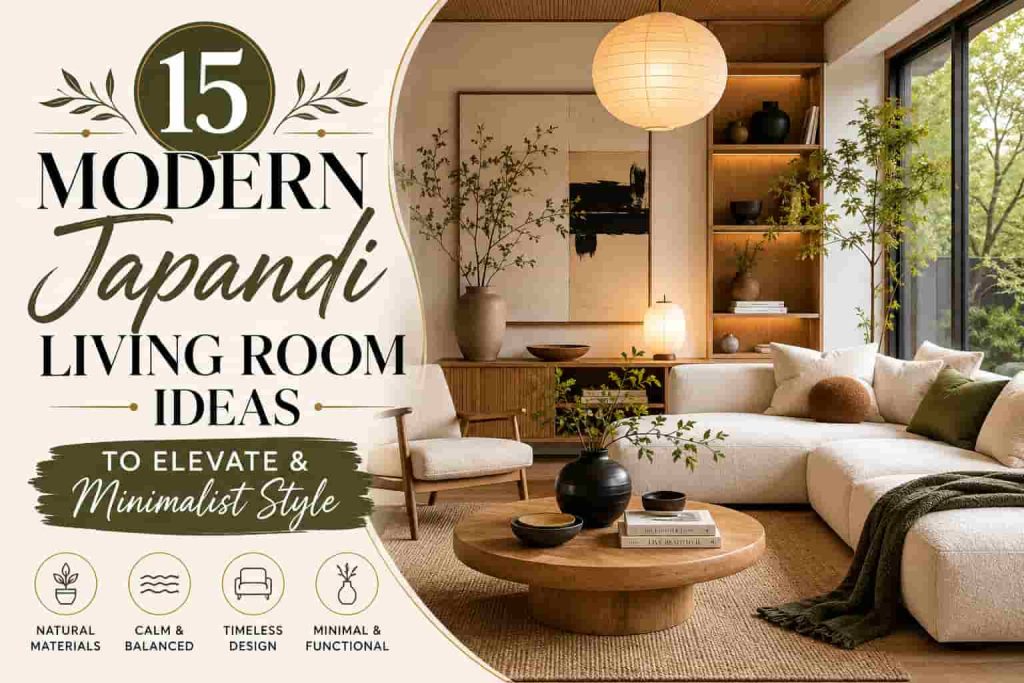
Whether you love muted tones, handcrafted accents, or minimalist spaces, Japandi provides the perfect framework for timeless living room style. Before diving into the ideas, here are five items that help you create an authentic modern Japandi living room.
5 Items to Buy for a Perfect Modern Japandi Living Room
1. Low Wooden Coffee Table
Low-profile furniture is a signature of Japandi design. A natural wood coffee table helps anchor the seating area and introduces organic warmth. Its low height brings a grounded feeling and allows the room to appear more open. Choose oak, ash, birch, or walnut for durability and visual softness.
2. Neutral Linen Sofa
A linen sofa aligns perfectly with Japandi’s minimalist and cozy sensibilities. Linen offers texture without adding visual clutter, and its relaxed drape matches the philosophy of comfort and simplicity. Stick to earthy tones like beige, taupe, off-white, or stone gray.
3. Soft Area Rug in Natural Fibers
A soft rug made from jute, cotton, wool, or bamboo silk adds warmth and subtle texture. It helps divide the living room into functional zones while supporting the calming, nature-inspired Japandi aesthetic. Choose solid or lightly patterned rugs in soft, earthy neutrals.
4. Ceramic Vases and Handmade Pottery
Handcrafted ceramics are essential pieces in Japandi styling. They bring character, artistry, and quiet beauty. Whether used as décor, planters, or functional pieces, pottery adds a touch of organic imperfection that makes the room feel more lived-in and balanced.
5. Soft Ambient Lighting
Warm, diffused lighting elevates the serene atmosphere of a Japandi living room. Floor lamps with wooden bases, paper lanterns, and soft LED strips behind furniture are great choices. Lighting plays an important role in ambience, especially at night when you want a peaceful, cozy mood.
Key Principles to Understand Before Designing
Modern Japandi living rooms follow three main principles: balance, nature, and intentional minimalism. Balance refers to the harmony between Scandinavian coziness (hygge) and Japanese simplicity (wabi-sabi). Nature involves using raw woods, textured fabrics, stone accents, indoor plants, and earth-tone palettes. Intentional minimalism means keeping only what adds value or beauty to the space. When you understand these foundations, applying Japandi concepts becomes effortless.
15 Modern Japandi Living Room Ideas
1. Incorporate Low, Minimal Furniture for an Open Flow
Low furniture creates a grounded, calming atmosphere and enhances the spacious feeling of the living room. This concept is central to Japanese design and blends seamlessly with Scandinavian minimalism. A low sofa, wooden coffee table, or floor cushions create an open visual line that makes the room appear bigger.
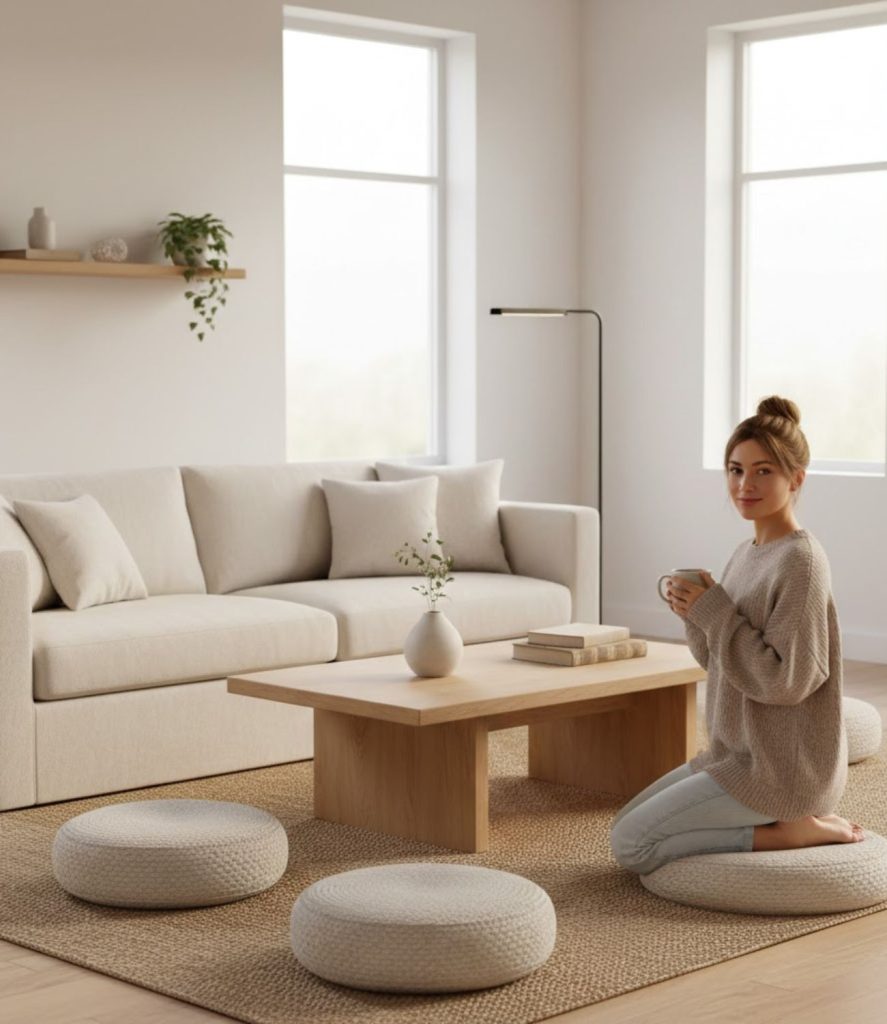
The low height also encourages comfort and creates a cozy, intimate seating area. Choose furniture with simple shapes, clean lines, and natural woods to enhance the modern Japandi aesthetic. Avoid bulky or high-back pieces that disrupt the minimalist flow.
2. Use Neutral Color Palettes to Create Tranquility
Neutral colors define a Japandi living room. Soft beiges, warm whites, muted browns, and gentle grays help create a serene environment. These shades reflect natural light beautifully and promote a sense of calm. Neutral tones also allow textures and natural materials to stand out without overwhelming the eye.
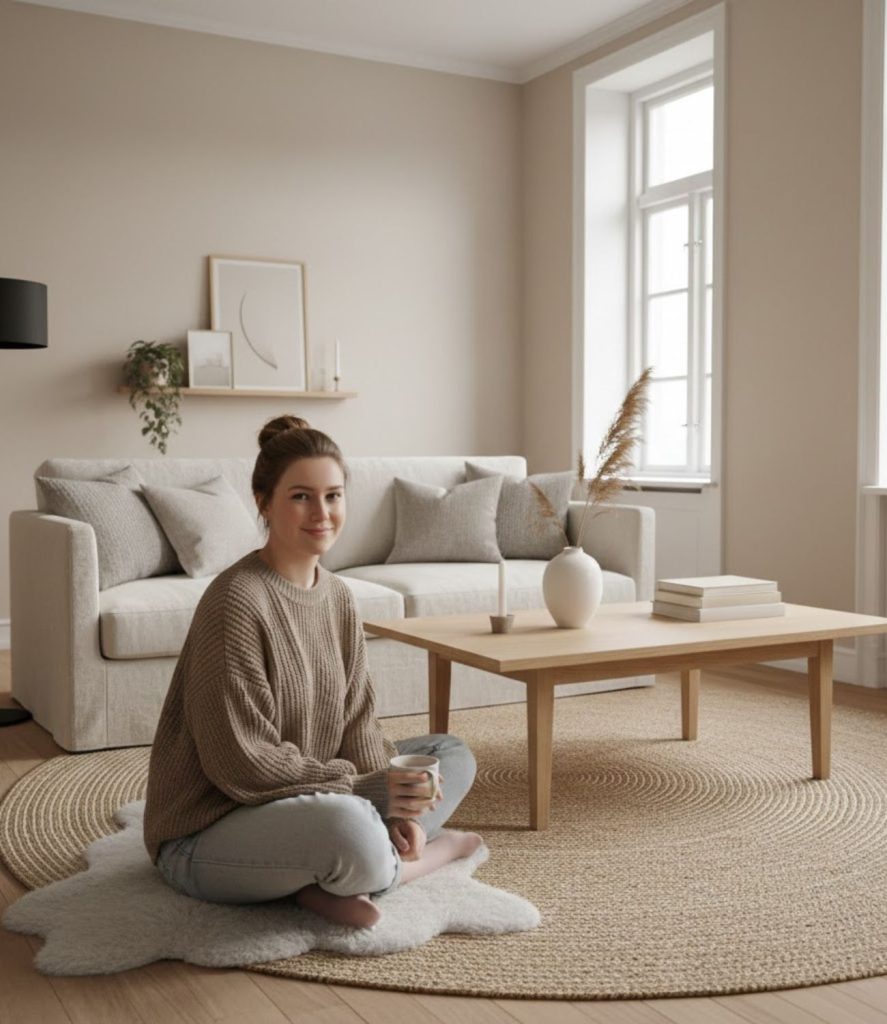
Layering different neutrals—like a light rug, taupe sofa, and wooden accents—brings depth to the space. This approach supports the minimalist foundation of Japandi while making the room feel cozy and harmonious, not cold or empty.
3. Add Natural Wood Elements for Warmth and Texture
Wood is a core material in both Japanese and Scandinavian interiors. Incorporating natural wood in your living room—such as wood shelves, tables, frames, or storage units—adds warmth and organic texture. Oak, walnut, and ash are excellent choices because they enhance the calming softness of Japandi style.
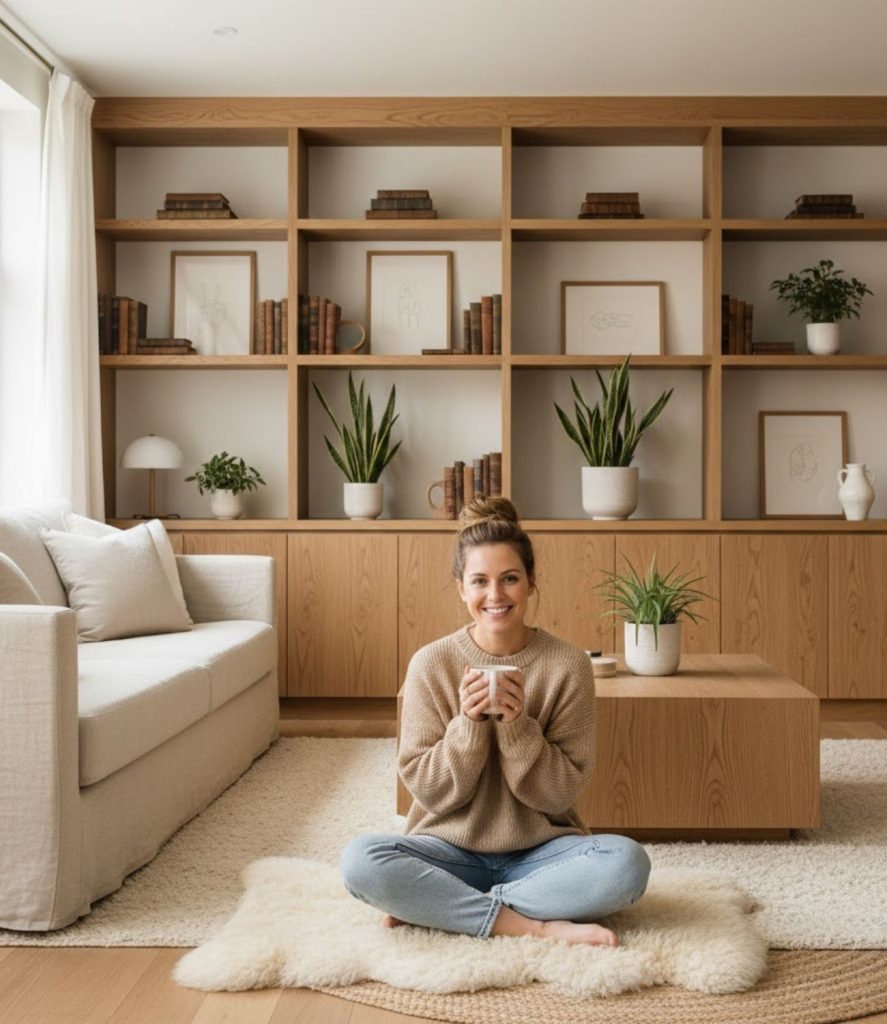
Wood grain introduces visual interest without feeling busy. Whether you choose light Scandinavian woods or darker Japanese tones, natural wood helps create balance and reinforces the overall harmony of the room.
4. Introduce Soft Textures Through Rugs, Throws, and Cushions
Japandi living rooms embrace softness through textures rather than patterns. A wool rug, linen throw blanket, and cotton cushions add warmth without clutter. These elements help make the minimalist space feel inviting and comfortable, achieving the Scandinavian concept of hygge.
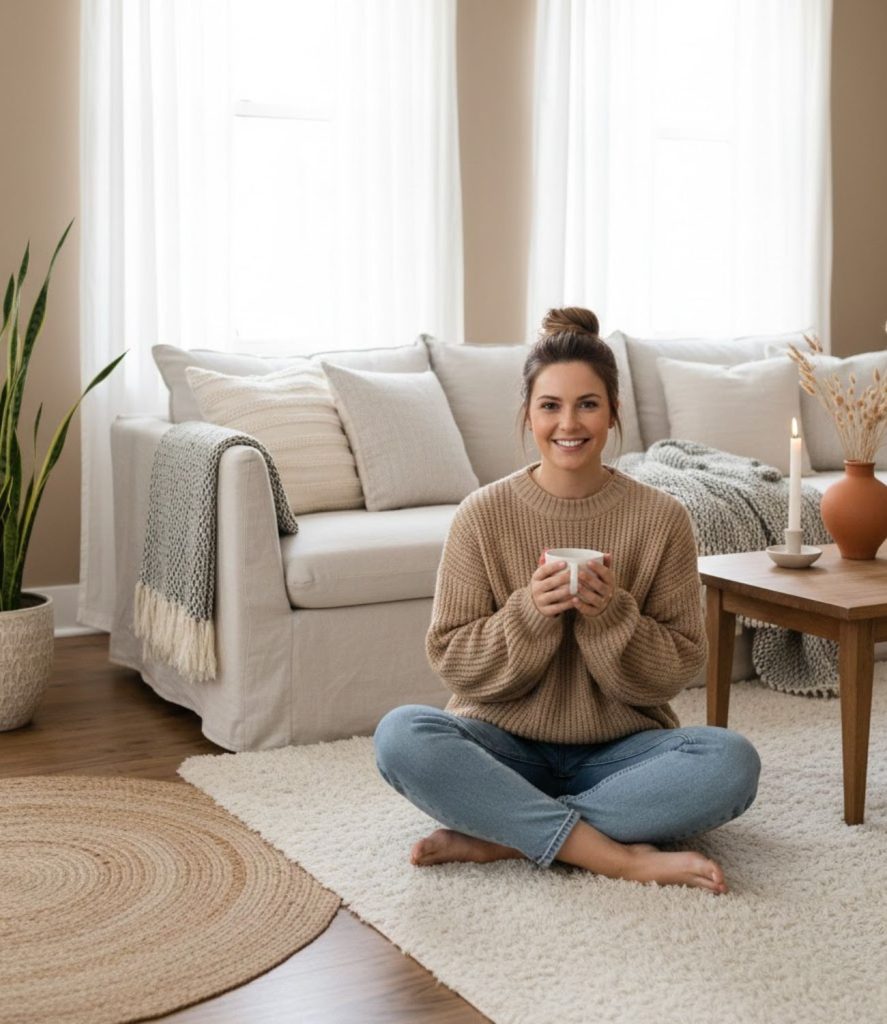
Textures deepen the visual layers of the room and prevent it from looking too stark. Stick to neutral or earthy shades and avoid loud prints. Even subtle woven patterns or ribbed fabrics can bring depth while staying true to the Japandi essence.
5. Keep the Space Free of Clutter With Smart Storage
Modern Japandi living rooms rely on intentional minimalism, which means keeping clutter to a minimum. Smart storage solutions help maintain a clean, peaceful environment. Use built-in shelves, low wooden cabinets, or woven baskets to store everyday items.
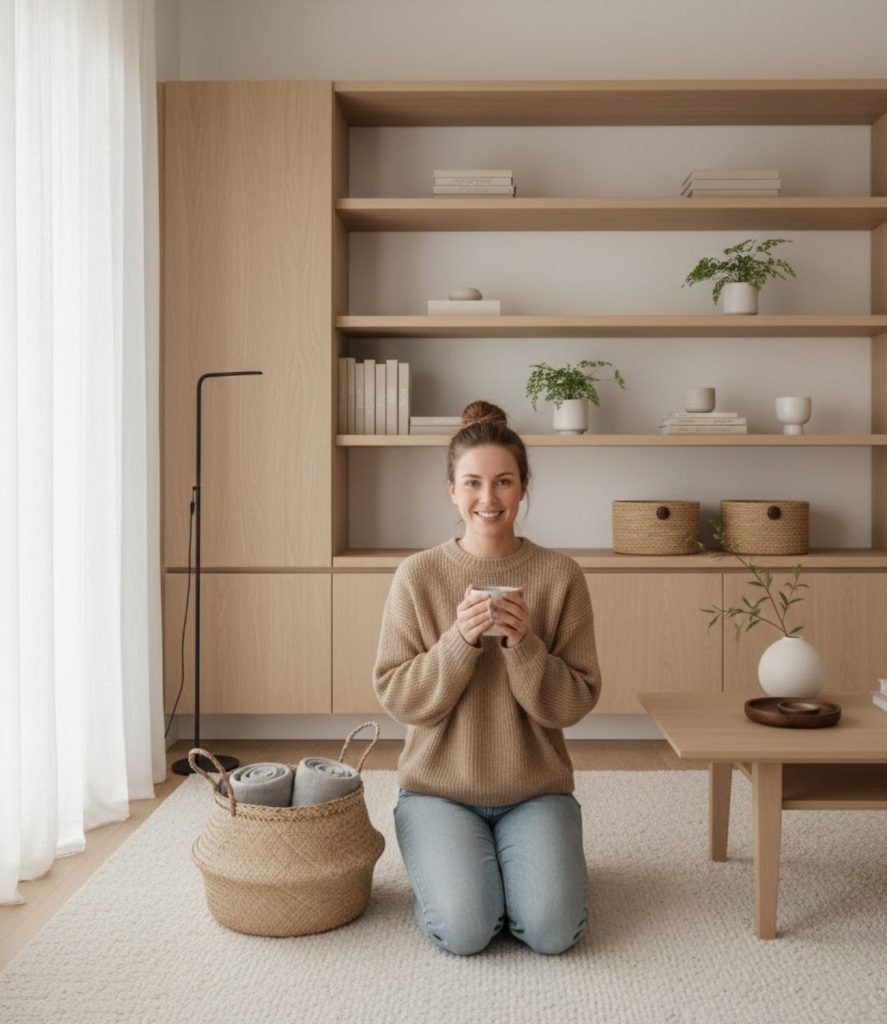
Hidden storage furniture is especially useful for keeping surfaces clear. The goal is to create a visually quiet room where each item has a purpose. This approach supports both Japanese minimalism and Scandinavian functionality, resulting in a more balanced and relaxing living space.
6. Choose Paper Lanterns or Soft Ambient Lighting
Ambient lighting is essential for creating a serene Japandi atmosphere. Paper lanterns, rice-paper floor lamps, and warm LED strips provide soft, diffused illumination that feels natural and calming. These lighting choices mimic the gentle glow of nature, aligning perfectly with the peaceful essence of Japandi style.
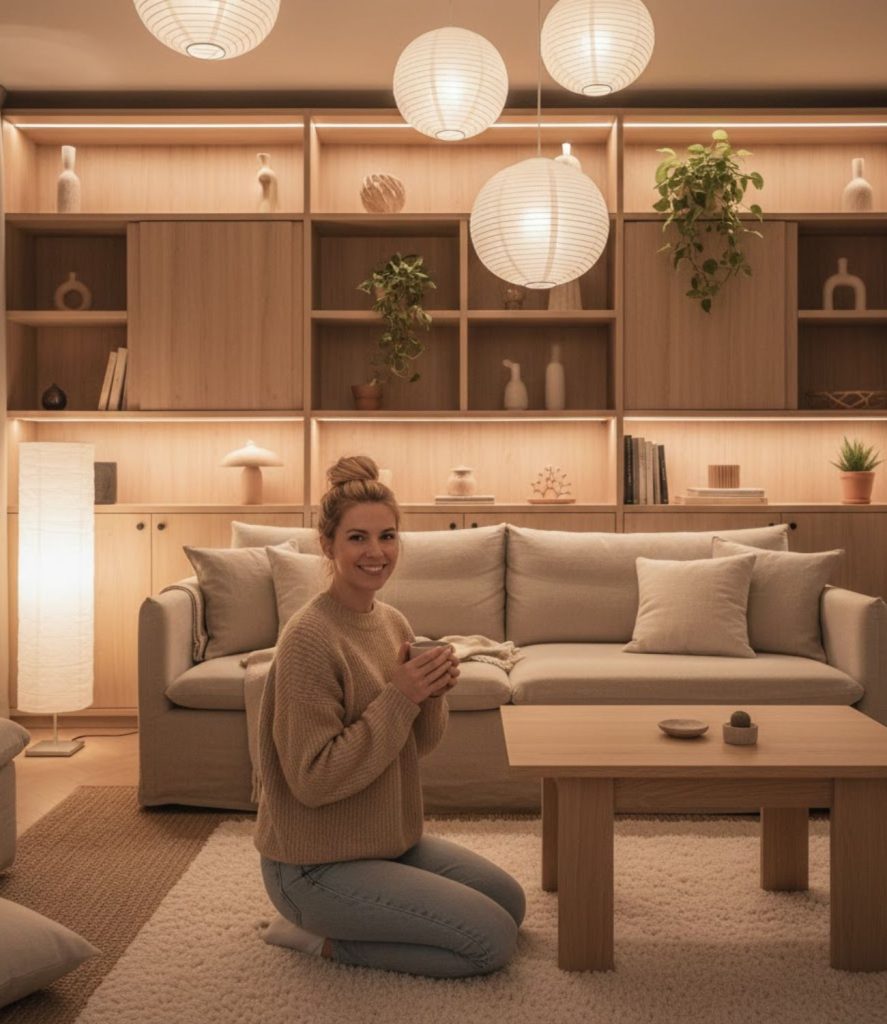
Use warm light temperatures instead of cool tones to avoid harshness. Multiple small light sources help create a layered ambience that feels intimate and inviting, especially during evenings.
7. Add Indoor Plants for a Touch of Natural Life
Plants bring life, freshness, and a sense of grounded beauty to Japandi interiors. Choose plants with simple shapes and soft green tones, such as bamboo palms, bird-of-paradise, snake plants, or Japanese-inspired bonsai varieties. Use minimalist planters in stone, ceramic, or clay.
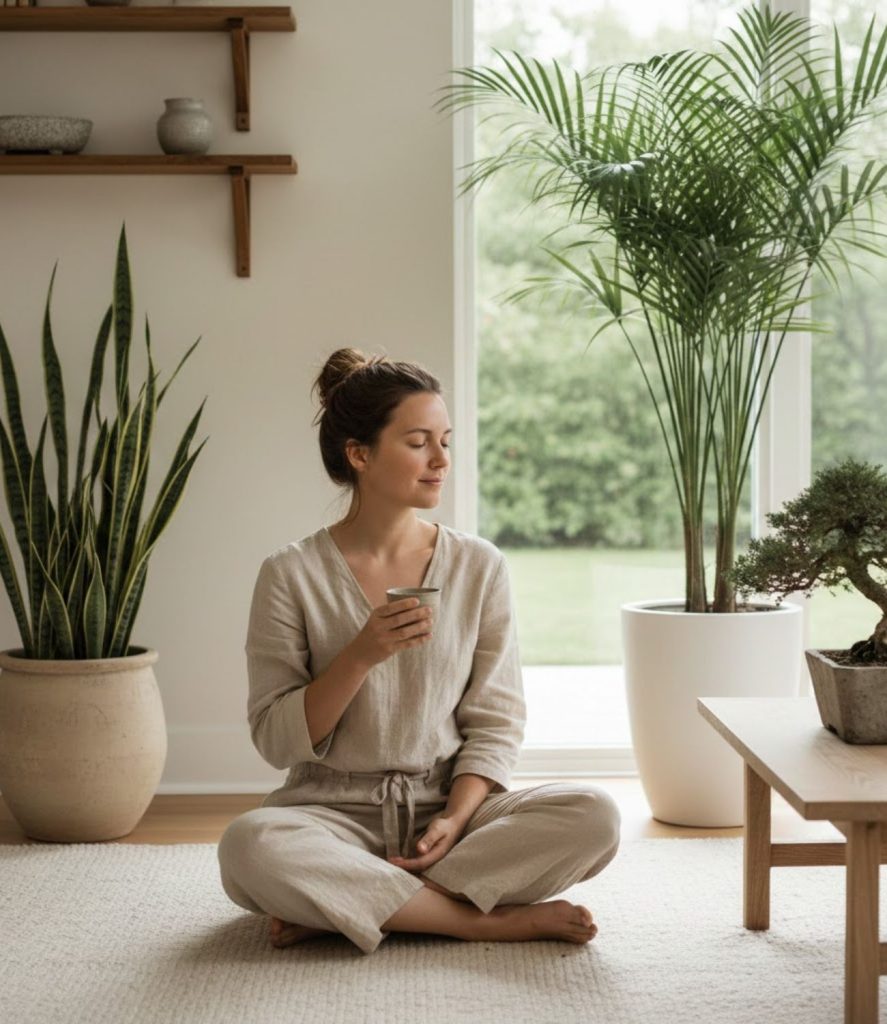
Indoor plants help connect your living room with nature while improving air quality and overall ambience. Avoid overcrowding the room with too many plants—choose a few statement pieces that fit the minimalist theme.
8. Mix Scandinavian Softness With Japanese Precision
Japandi design thrives on blending the best of both worlds: Scandinavian coziness and Japanese craftsmanship. To achieve this, pair soft fabrics like wool or linen with clean, structured wooden furniture. Add plush cushions or soft throws while keeping architectural lines simple.
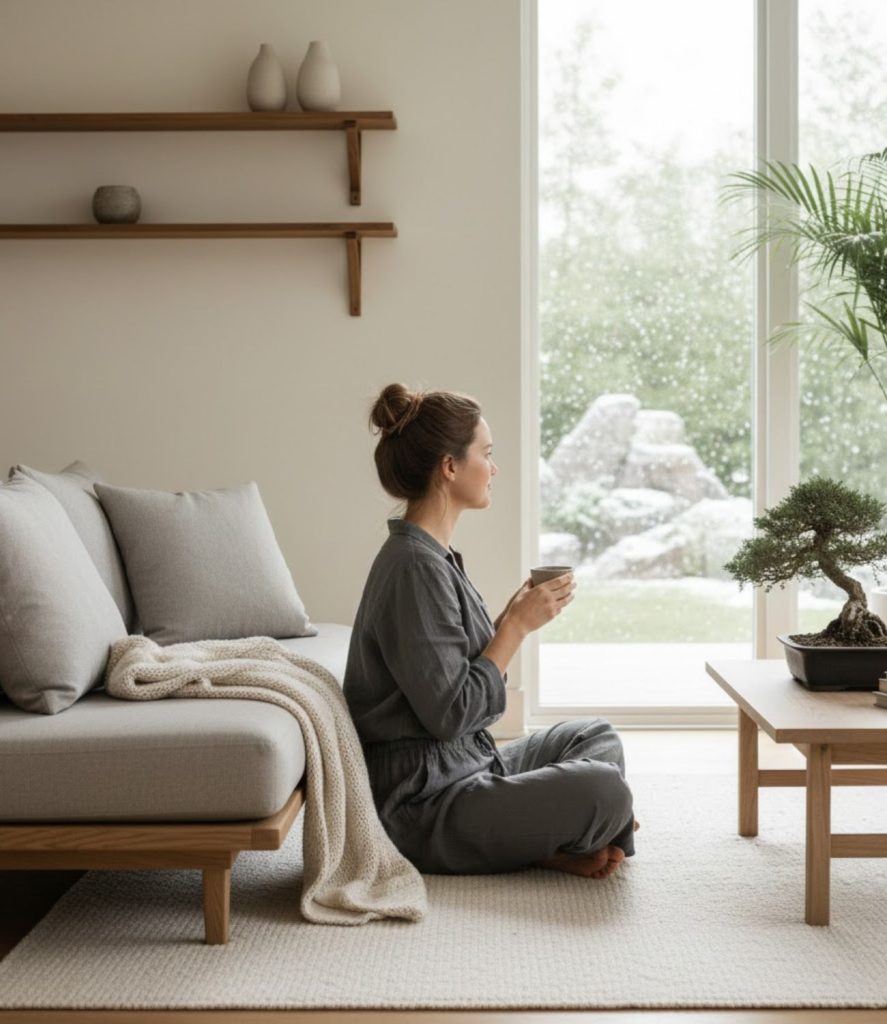
This creates a room that feels both warm and refined. Mixing these qualities highlights the harmony that Japandi is known for—cozy yet sleek, soft yet defined, modern yet deeply connected to nature.
9. Opt for Minimal Artwork and Natural Materials
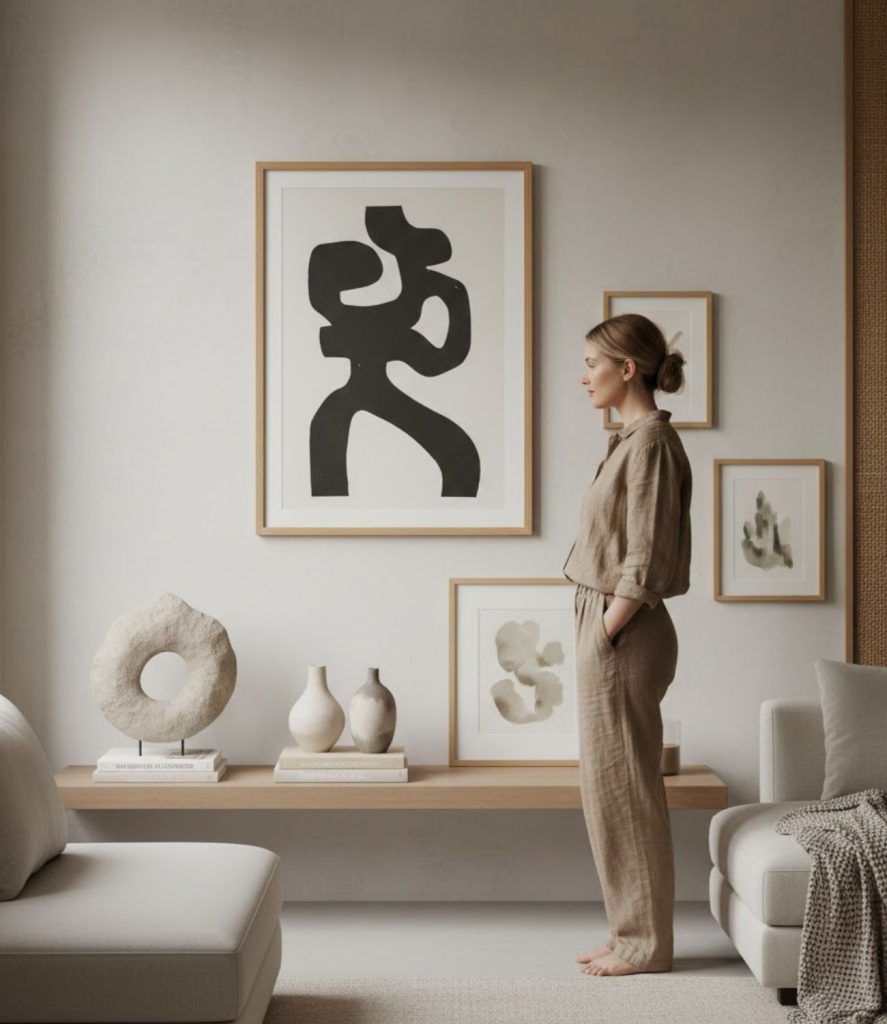
Japandi artwork is understated, calm, and meaningful. Choose minimalist prints, abstract shapes, line art, or nature-inspired pieces. Art with neutral tones or soft brushstrokes works well. Natural materials such as stone sculptures, clay vases, raw wood frames, and textured wall panels help tie the living room together. These materials add authenticity and reinforce the soothing aesthetic. Avoid anything too bold or overly decorative; simplicity is key.
10. Use Sliding Doors or Open Layouts for Spaciousness
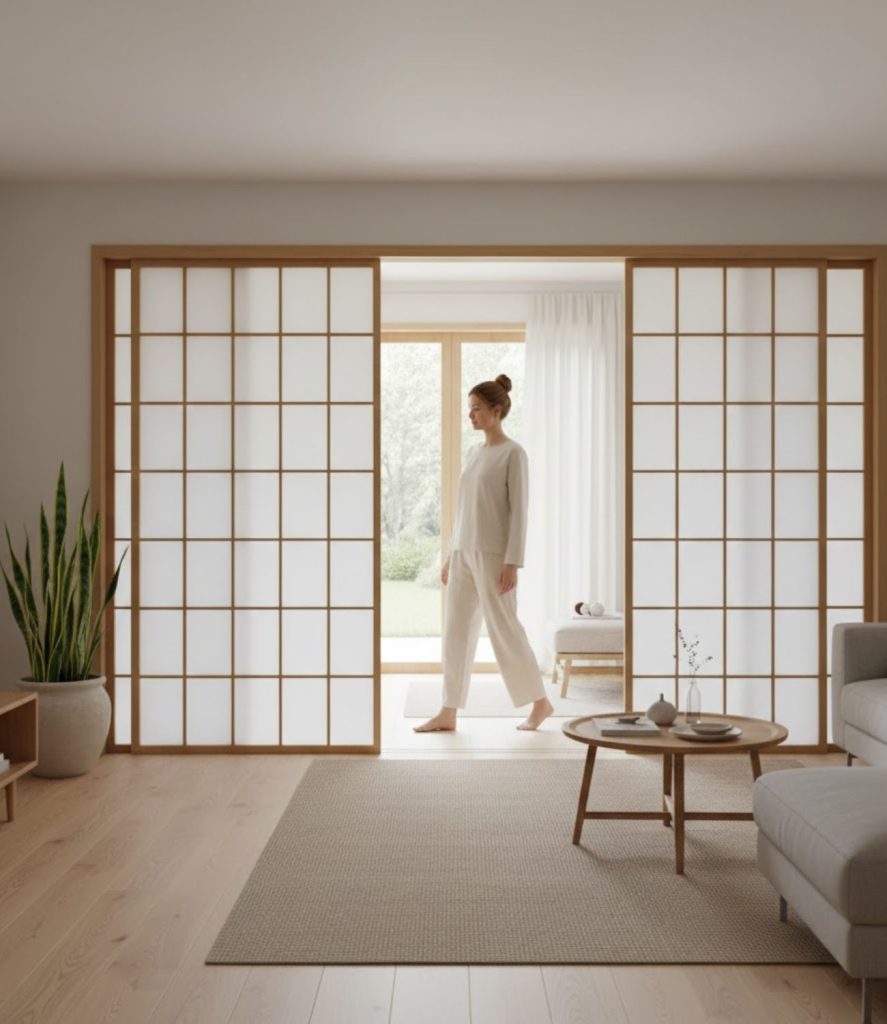
Sliding doors, inspired by Japanese shoji screens, help create an open, airy layout. They save space, invite natural light, and enhance flow between rooms. Even if you can’t install actual shoji doors, you can mimic the effect by choosing curtains, room dividers, or lightweight partitions. Japandi living rooms thrive on openness, so ensure your layout promotes easy movement and doesn’t feel cramped. Removing unnecessary furniture or barriers also enhances spaciousness.
11. Combine Black Accents With Soft Neutrals for Balance
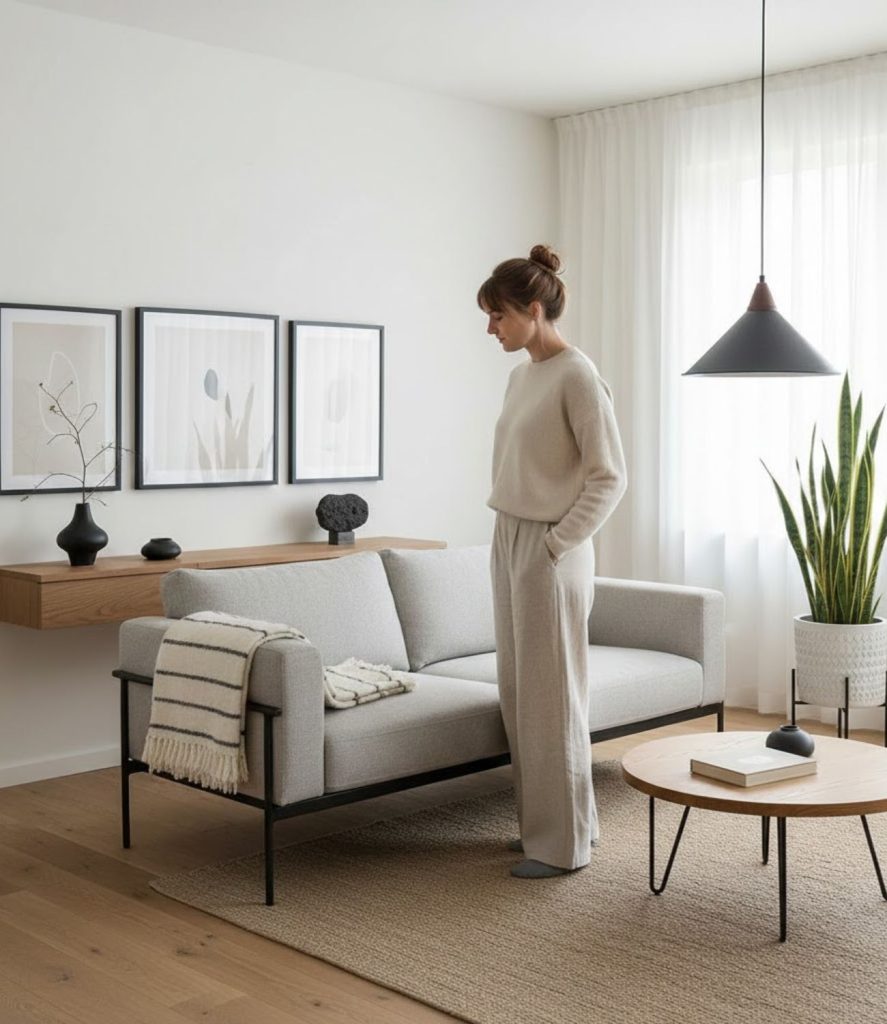
Modern Japandi rooms often use small black accents to create contrast and structure. Black metal frames, thin-legged furniture, pendant lights, or simple décor elements help add definition to an otherwise soft palette. The key is balance—use black sparingly but intentionally. This subtle contrast enhances the modern feel of Japandi without overpowering the room. Paired with earthy tones, black accents ground the space and bring modern clarity to natural minimalism.
12. Choose Functional Furniture With Clean Lines
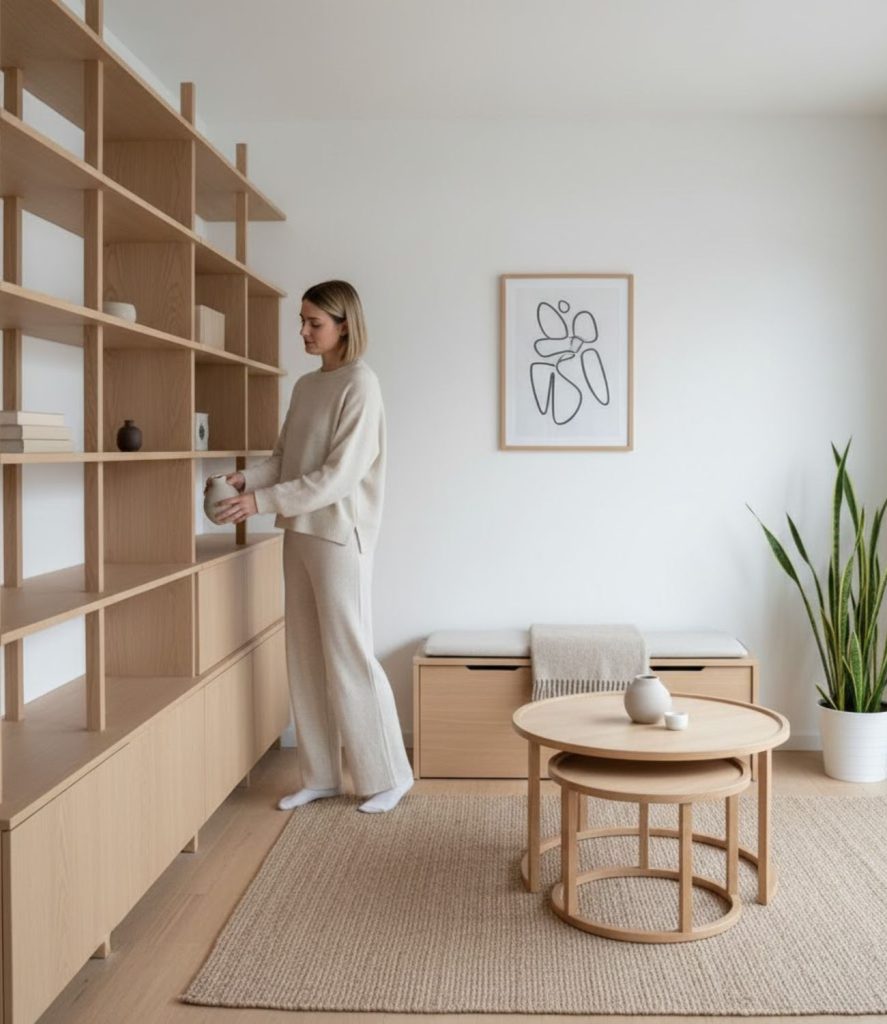
Functionality is central to Japandi style. Furniture should be simple, practical, and thoughtfully designed. Look for pieces with clean lines, soft curves, and no unnecessary ornamentation. Multi-functional furniture—like storage benches, nesting tables, or modular shelving—supports minimalism while improving usability. These pieces help maintain visual calmness and contribute to the room’s holistic balance. They also ensure your living room remains usable, tidy, and aesthetically consistent.
13. Incorporate Wabi-Sabi Elements for Natural Imperfection
Wabi-sabi celebrates beauty in imperfection, which blends perfectly with the Japandi philosophy. Incorporate items like handmade pottery, uneven ceramic bowls, textured vases, or rustic wood décor. These pieces add soul and authenticity to the room.
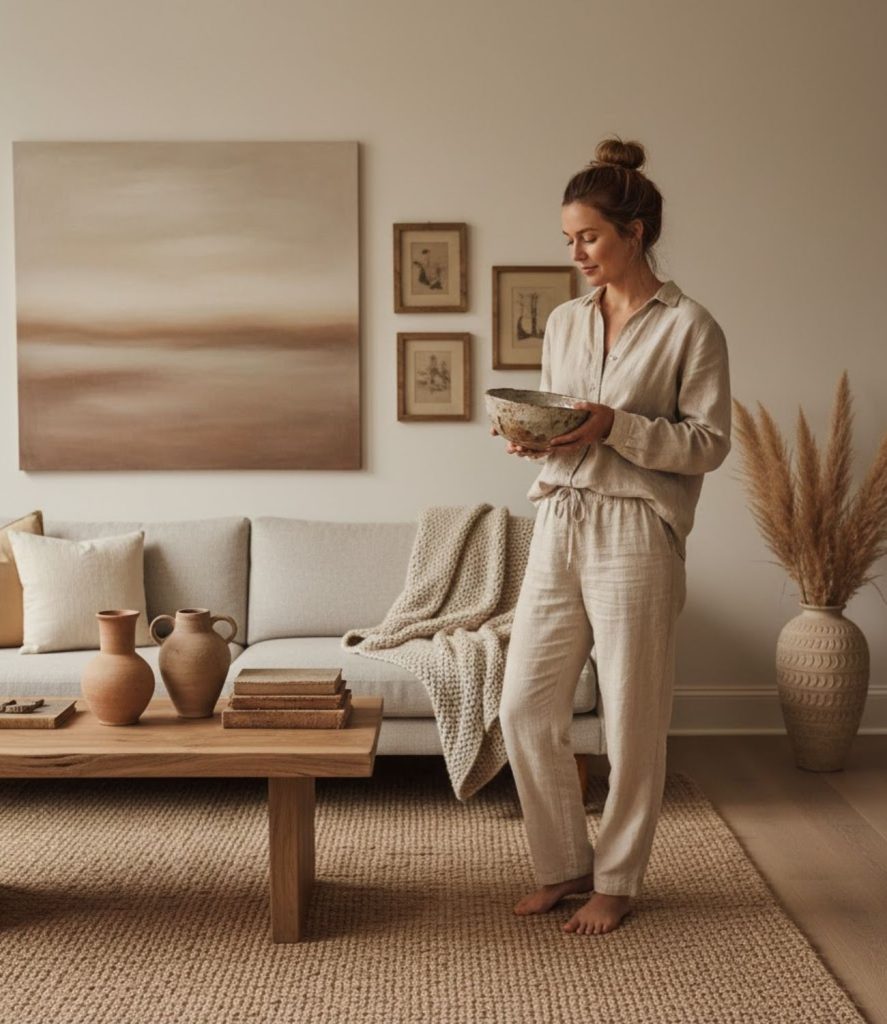
They emphasize craftsmanship rather than mass production. Wabi-sabi elements make the space feel warm, meaningful, and lived-in, offering a subtle contrast to the clean, polished lines of Scandinavian design. This balance is a hallmark of modern Japandi living rooms.
14. Create Harmony With Symmetry and Balance
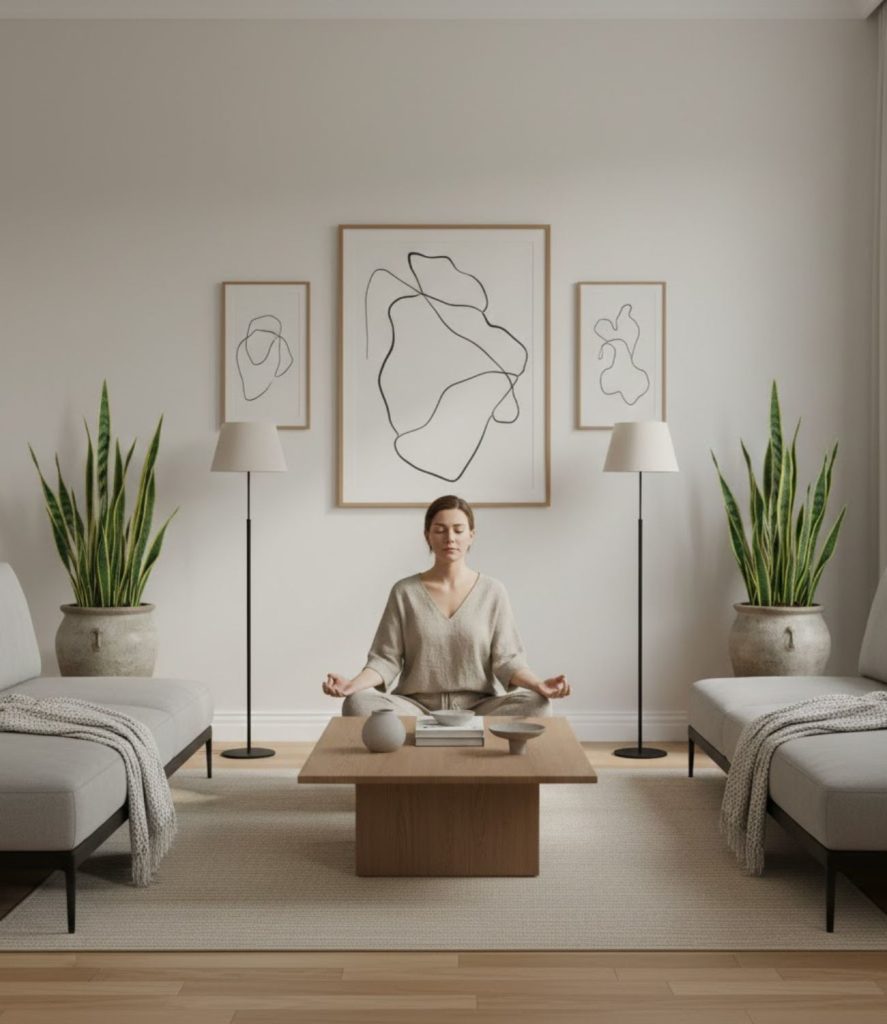
Japandi interiors thrive on harmony. Using balanced placement of furniture, décor, and lighting creates a room that feels calm and intentional. Achieving symmetry doesn’t mean everything has to be perfectly matched—rather, each side of the room should feel visually equal. Pairing objects or arranging seating in balanced ways creates a sense of stability. This approach supports relaxation and gives the living room a naturally comfortable flow.
15. Add Stone, Clay, and Natural Textures for Earthy Depth
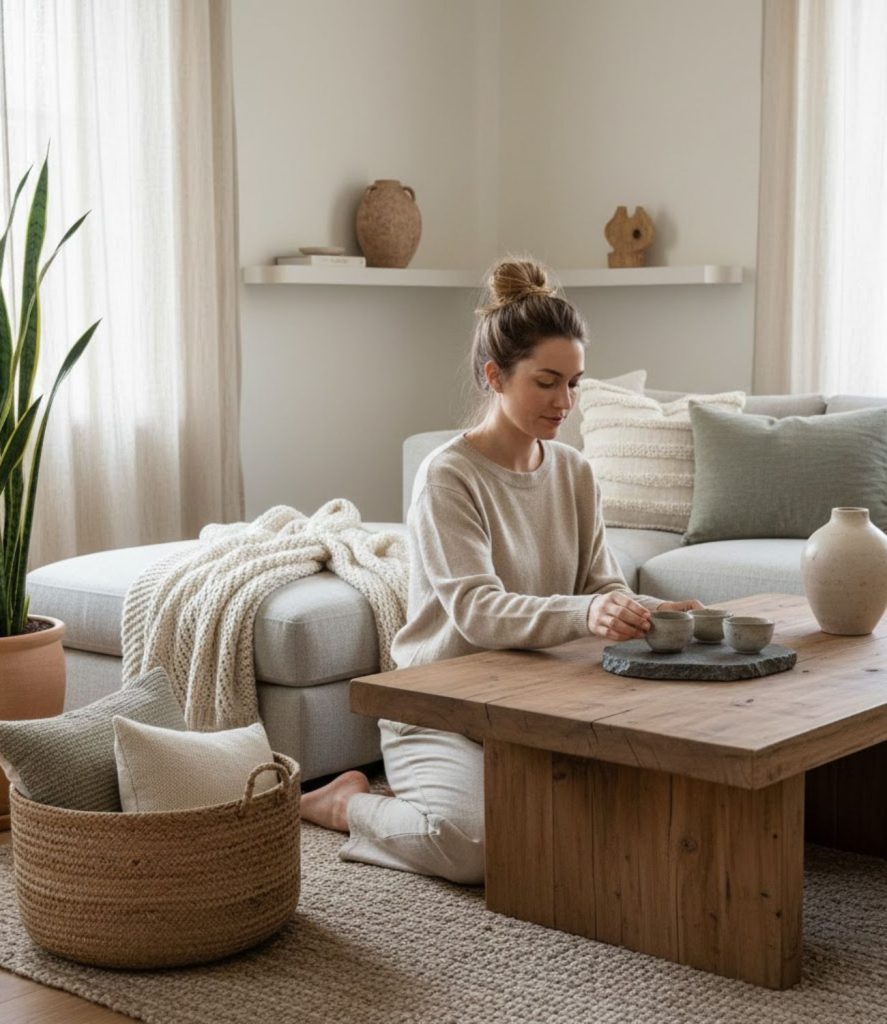
Stone trays, clay pots, woven baskets, textured pillows, and natural wood finishes all add depth without disturbing minimalism. These elements create visual interest while maintaining a calm color palette. Natural textures help bring the outdoors in and emphasize the organic qualities that define Japandi style. Combining soft textiles with solid materials—like using a wool throw on a wooden bench—creates a harmonious sensory experience.
Frequently Asked Questions
What colors work best for a modern Japandi living room?
Neutral tones like beige, taupe, warm whites, stone gray, and muted browns work best. These shades enhance calm and create a cohesive, minimalist look.
How do I keep a Japandi living room from feeling empty?
Use layered textures, natural materials, soft lighting, and a few meaningful décor pieces. Balance open space with functional furniture to avoid an overly sparse feel.
What materials define Japandi style?
Wood, stone, clay, paper, linen, wool, cotton, ceramics, and rattan are key materials that bring warmth and organic depth.
Can Japandi work in small living rooms?
Yes, it’s perfect for small spaces. Its minimalism, low furniture, and neutral palette help make small rooms feel open and peaceful.
Is Japandi more Scandinavian or Japanese?
It is a true hybrid. It blends Scandinavian hygge (comfort) with Japanese wabi-sabi (simplicity and natural beauty), offering the best aspects of both aesthetics.
Final Words
A modern Japandi living room is more than a design trend; it’s a lifestyle approach centered on calmness, balance, and intentional beauty. By combining clean lines, natural textures, and soft neutral tones, Japandi transforms any living room into a serene retreat. These 15 ideas offer practical and inspiring ways to blend Scandinavian warmth with Japanese elegance. Whether you’re redecorating or designing from scratch, embracing Japandi invites peace, comfort, and timeless sophistication into your home.