A leather couch is one of the most striking and practical investments you can make for a living room. It reads as timeless, durable, and sophisticated — yet with the right styling it can feel cozy, casual, or luxuriously formal. Leather responds beautifully to light and age: it develops patina, brings warmth through its natural tones, and anchors the room visually in a way few fabrics can match.
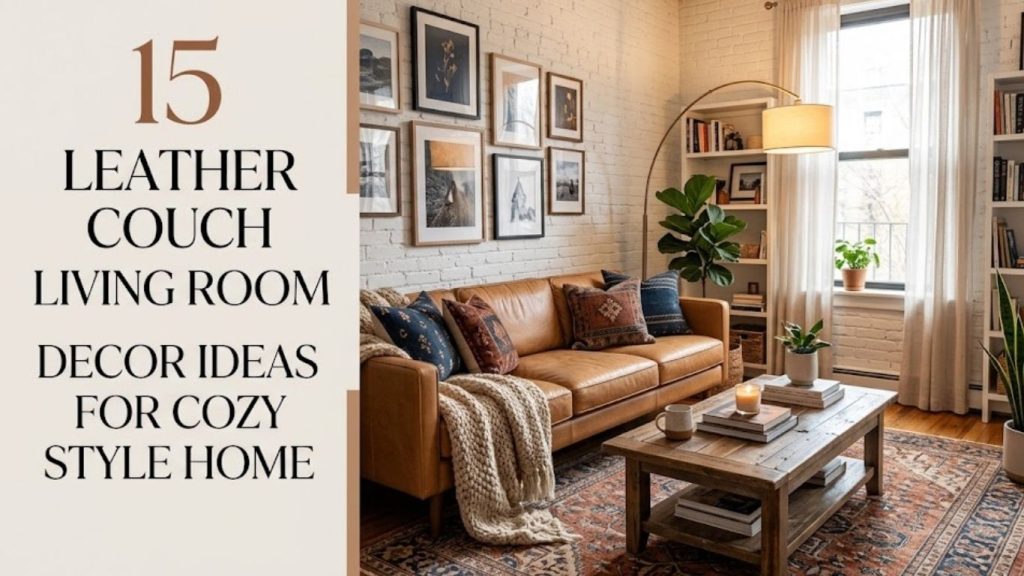
This guide covers everything you need to style a leather couch living room that fits your lifestyle: how to choose complementary colors and textures, ways to protect and maintain leather, design formulas that work (from industrial to Scandinavian to farmhouse), and 15 concrete decor ideas you can implement today. Each idea is practical and inspirational — suited for families with kids, pet owners, apartment dwellers, and anyone who wants a space that looks intentional without feeling precious.
Whether your couch is a rich cognac, classic black, deep chocolate, or airy tan, this post will help you build a room around it that’s balanced, comfortable, and full of character.
5 Items to Buy Now
1. A good leather conditioner and gentle cleaner
Leather looks best when it’s cared for. Invest in a high-quality leather conditioner and a gentle leather cleaner formulated for your leather type (aniline, semi-aniline, pigmented). Conditioning prevents drying and cracking, restores suppleness, and deepens color. Cleaners remove spills and grime without stripping natural oils. Use a soft cloth and follow manufacturer instructions. For quick maintenance, keep a lint roller and a soft brush handy to remove dust and pet hair. Regular, gentle care extends the life of the couch and keeps it looking rich and intentional rather than worn-out.
2. A textured area rug (durable, stain-friendly)
A leather couch benefits from a rug that anchors the seating area and adds softness underfoot. Choose a rug with durable fibers (wool blends, flatweave, or low-pile synthetics) if you have pets or high traffic. Texture—like a subtle pattern, jute base, or low-pile geometric—creates contrast with smooth leather. Color should tie into your palette: warm rugs for cool leather, cool rugs for warm leather, or neutrals for versatility. The rug also protects floors, reduces noise, and visually connects furniture pieces, making the seating area feel intentionally arranged and comfortable.
3. A set of mixed-texture throw pillows
Throw pillows will soften the leather and invite people to sit. Buy a set that mixes textures—linen, velvet, knit, boucle—and patterns (subtle geometrics or tonal stripes). Use larger square pillows for back support and smaller lumbar pillows for contrast. Neutral pillows add calm; a few in accent colors or patterns bring personality. Removable covers are practical for easy washing or seasonal updates. Pillows are the fastest way to shift the vibe of the room: swap them seasonally or to match travel souvenirs, art, or a new rug.
4. A leather-safe slipcover or arm protectors (if needed)
If you have kids, frequent guests, or messy activities, consider a leather-safe slipcover or washable arm guards. A fitted slipcover can temporarily protect the couch during spills or high-use periods, and arm protectors shield high-contact spots from oils and wear. Choose breathable fabrics to prevent trapping moisture. Slipcovers let you dramatically change the look quickly, and protect your investment. For light use, just keep a few throws that you can drape over arms and cushions when needed — they’re stylish and practical.
5. A sculptural side table or tray for balance
Leather’s strong presence needs softer companions. A sculptural side table—wood, marble, or metal—adds contrast and provides a functional surface. Trays (wood or metal) corral remotes, candles, and coasters and keep surfaces tidy. A warm wood table offsets cool pigmented leather; a metal side table complements black leather for an industrial feel. Choose a size and height that works with the couch’s arm height so guests can place drinks without strain. The right table creates balance and provides the finishing touch for a well-composed seating area.
A short styling note before we begin
One sentence that helps every leather couch owner: balance is everything. Leather is visually heavy and tactilely smooth, so offset it with soft textiles, wood, plants, and layered lighting. Think in threes—three textures, three heights, three color accents—to keep arrangements dynamic. Now, onto the main keyword section and 15 numbered ideas you can adopt immediately.
15 Leather couch living room decor
1. Anchor the seating area with a warm, textured rug
Place a rug large enough so at least the front legs of the leather couch rest on it; this visually ties the seating group together. Warm, textured rugs—wool, flatweave, or low-pile with muted patterns—work beautifully with leather because they contrast the couch’s smooth surface. For a cognac couch, choose a rug with deep rusty or cream tones; for black leather, a rug with warm neutrals or a bold pattern offers visual interest. The rug adds comfort underfoot and reduces echo, making the living room feel anchored and inviting.
2. Layer pillows and throws to soften the leather look
Leather can read formal; textiles make it cozy. Use a combination of large square pillows in linen or woven cotton at the back, add velvet or boucle accent pillows for touchable luxury, and finish with a lumbar cushion for contrast. Drape a chunky knit or soft cashmere throw casually over an arm or the back. Textures absorb light and create depth, while throws protect high-contact areas. Stick to a cohesive color palette (two neutrals + one accent color) to avoid visual clutter and make the leather couch feel like the centerpiece of a lived-in, comfortable room.
3. Mix styles: pair your leather couch with an upholstered accent chair
Pairing leather with an upholstered chair reduces the room’s heaviness and increases seating flexibility. Choose a chair in linen, boucle, or velvet in a neutral or contrasting color. A curved mid-century chair softens a boxy leather couch; a high-back wing chair adds sophistication for reading corners. Position the chair at an angle with a side table between the two seats to create a conversation nook. Mixing materials—wooden legs, metal frames, or brass details—adds visual interest and prevents the space from feeling one-note.
4. Use lighting to create warmth and highlight texture
Layer lighting: overhead warmth (dimmer-capable fixture), task lighting for reading (floor or table lamp), and accent lighting (picture lights, small uplights). Brass or aged-metal lamps add warmth and complement brown leather; matte black fixtures fit black leather. Place a floor lamp near the couch for reading and a table lamp on a side console for soft ambient glow. Lighting emphasizes leather’s sheen and patina while creating cozy pockets. Dimmers allow you to change mood quickly—from bright for gathering to low for movie nights.
5. Choose a coffee table that balances scale and material
A coffee table should relate to the couch in height and width: typically 1–2 inches lower than the seat height and about two-thirds the length of the couch. Materials matter: reclaimed wood or a warm-toned table pairs with lighter leathers; metal/glass pieces work with modern black leather. An oval or round table complements a large leather sofa by softening rigid lines; trays help organize objects and make the table functional. Choose storage options (shelves or drawers) if you need a tidy living space.
6. Anchor the wall with art that complements leather tones
Large-format art or a cohesive gallery wall above a leather couch can set mood and scale. For warm leathers (cognac, chestnut), select art with warm earth tones or moody blues for contrast. For dark leathers, pick lighter frames or colorful abstract pieces to brighten the area. Consider oversized mirrors to bounce light if the room is small. Frames in wood or brass harmonize well with leather and bring continuity to the décor.
7. Add greenery to breathe life into the leather seating area
Plants are a counterpoint to leather’s man-made sheen—introduce a fiddle leaf fig, rubber plant, or tall palm near the couch for vertical interest. Smaller plants on the coffee table or console soften the look and refresh the air visually. Use ceramic pots or woven baskets to add texture. Plants bring life and color, making a leather couch feel less formal and more approachable. Rotate and maintain them to keep the room feeling fresh.
8. Create contrast with light walls and trim
If your leather couch is dark, use lighter wall colors to make the room feel open. Soft whites, warm creams, or pale grays give the leather room to be dramatic without overpowering the space. For a more daring look, consider a deep accent wall behind the couch—navy blue or forest green pairs beautifully with mid-brown leather and creates a moody, library-like ambiance. Trim and moldings in crisp white keep the look fresh and defined.
9. Integrate wood furniture for cohesive warmth
Wooden media consoles, sideboards, and side tables complement leather naturally. Choose wood tones that relate to the couch’s undertones—honey or walnut for warm leathers, darker woods for cool or black leather. Reclaimed or distressed wood introduces character and texture; sleek, veneered pieces read modern. Mixing wood grains and finishes (one dominant finish + one accent) keeps things intentional. Wood warms the room acoustically and visually and forms a classic pairing with leather for a layered, comfortable home.
10. Use metallic accents for polish and contrast
Brass, bronze, and warm metallic finishes provide a refined counterpoint to leather. A brass floor lamp, metal-framed mirror, or sculptural candle holders add sparkle that complements leather’s natural luster. For black leather, brushed nickel or matte black can reinforce a contemporary look. Use metals sparingly and repeat the finish in two to three places to keep cohesion. Metallics can elevate casual leather into a sophisticated, curated interior.
11. Create cozy zones with rugs and poufs
If you have an open-plan space, create defined zones around the leather couch using rugs, poufs, and low tables. A pouf in a soft fabric invites feet-up relaxation and balances leather’s firmness. Use rugs with layered textures to delineate the seating area and add warmth underfoot. Choose patterns that hide wear (low-contrast geometric or faded antique patterns) if the couch gets heavy use. Zoning makes the living room more functional and psychologically comfortable.
12. Balance masculine and feminine elements for a lived-in look
Leather often reads masculine; balance it with softer accents—curved mirrors, floral art, plush pillows, and throws in lighter tones. Introduce brass or gold accessories for a touch of glamour and a few ceramics with delicate shapes to soften edges. The balance between strong and soft elements creates a welcoming space that feels curated rather than staged.
13. Mix vintage and modern pieces for contrast and depth
Pair a contemporary leather sofa with a vintage trunk as a coffee table, an antique sideboard, or a retro rug. The juxtaposition of old and new adds storytelling depth and a collected-over-time vibe. Keep the palette restrained to avoid visual overload; choose two or three dominant hues and repeat them in accessories and textiles. Vintage pieces add patina and personality, while modern items keep the space functional.
14. Design for pets: protective yet stylish solutions
Leather is durable but pets can scratch or leave fur. Use pet-friendly leather that’s thicker and more resistant, keep nails trimmed, and train pets on approved furniture habits. Use washable throws and hides on favorite spots; a large woven basket for pet blankets keeps things tidy. Microfiber or performance fabric accent chairs provide alternate pet-friendly seating. Place a mat under pet bowls to keep the floor clean. These solutions maintain the look while keeping daily life realistic.
15. Seasonal swaps: refresh the look with minimal changes
Rotate pillows and throws seasonally—lighter linens and pastel accessories for spring and summer; chunky knits and deep velvet for fall and winter. Swap artwork, change greenery (dried branches for winter, fresh blooms for spring), and add small decorative updates (candles, trays). Leather is a year-round base that handles seasonal styling elegantly; small swaps keep the space dynamic without costly changes.
Deep-dive: care, maintenance, and choosing the right leather
Picking the leather type for your life
- Full-grain and top-grain leather age beautifully and develop patina but can be pricier.
- Aniline leather is soft and luxurious (dyed but not heavily coated) and will show marks—great if you love natural patina.
- Semi-aniline has a light protective topcoat for easier cleaning.
- Pigmented leather has a heavier coating and is more stain-resistant—ideal for high-traffic homes and pet owners.
Cleaning and daily care
- Dust and vacuum regularly with a soft brush attachment.
- Wipe spills immediately with a clean, dry cloth; for oil-based stains, blot and use an approved cleaner.
- Condition leather every 6–12 months depending on manufacturer recommendations and humidity levels.
- Test any cleaner or conditioner in an inconspicuous spot before full use.
Protecting from sunlight and heat
- Keep leather away from direct sunlight to avoid fading.
- Avoid placing couches too close to radiators or heat vents which can dry and crack leather.
- Rotate cushions periodically to equalize wear and sun exposure.
Quick fixes and professional help
- Small scratches often blend with gentle buffing with a soft cloth or applying conditioner.
- For deep scratches, color-matching leather repair kits work, but consult a professional for best results.
- Years of wear may call for professional cleaning or refinishing to restore vibrancy.
FAQ
Will a leather couch look cold or uninviting?
Not if you style it intentionally. Add warm rugs, layered textiles, plants, wood surfaces, and layered lighting to soften the look. Leather is a strong foundation—use fabrics and accessories to introduce warmth.
Is leather hard to maintain?
Leather requires simple maintenance: regular dusting, an occasional wipe, and periodic conditioning. The exact care depends on the leather type, but leather is generally durable and easier to clean than many fabrics, especially for spills.
Can leather be used in homes with kids and pets?
Yes. Choose pigmented or semi-aniline leather for better stain resistance, use washable throws and arm protectors, and practice basic maintenance. Leather is often more resilient than delicate fabrics in busy homes.
What color leather is most versatile?
Neutral tones—tan, cognac, mid-brown, gray, black—are most versatile. Cognac reads warm and inviting, black reads sleek and modern, and tan adapts well to many palettes. Consider your lighting and flooring when choosing tone.
How do I prevent my leather from cracking?
Condition it regularly, avoid direct heat and sunlight, and keep humidity balanced. Use leather conditioner to replenish natural oils and avoid harsh cleaners that strip moisture.
Should I match the leather to other wood tones?
Not necessarily. Harmonizing is more important than exact matching. Choose two dominant materials (leather + wood finish) and echo those tones in accessories and small furniture for cohesion.
Final Words
A leather couch is a design superpower: enduring, tactile, and elegant. With the right decor choices—layered textiles, complementary materials, lighting, and purposeful mixing of styles—you can build a living room that feels lived-in, warm, and stylish rather than overly formal. Think about balance (soft vs. hard, warm vs. cool), maintenance (cleaning and protection), and real life (pets, kids, and comfort). Use the 15 ideas above to start small or overhaul boldly: leather adapts, and so can your decor. If you want, tell me your couch color and room dimensions and I’ll draft a tailored styling plan with a shopping list and layout suggestions.