Blue is one of the most versatile and beloved colors in interior design. It ranges from tranquil pale sky and soft aqua to moody navy and dramatic indigo — each hue bringing a different mood to a room. A blue living room can feel calming and coastal, sophisticated and moody, fresh and modern, or vintage and romantic depending on the tones and textures you choose. Because blue pairs beautifully with neutrals, wood, metals, and warm accents, it’s incredibly flexible and works in almost any home.
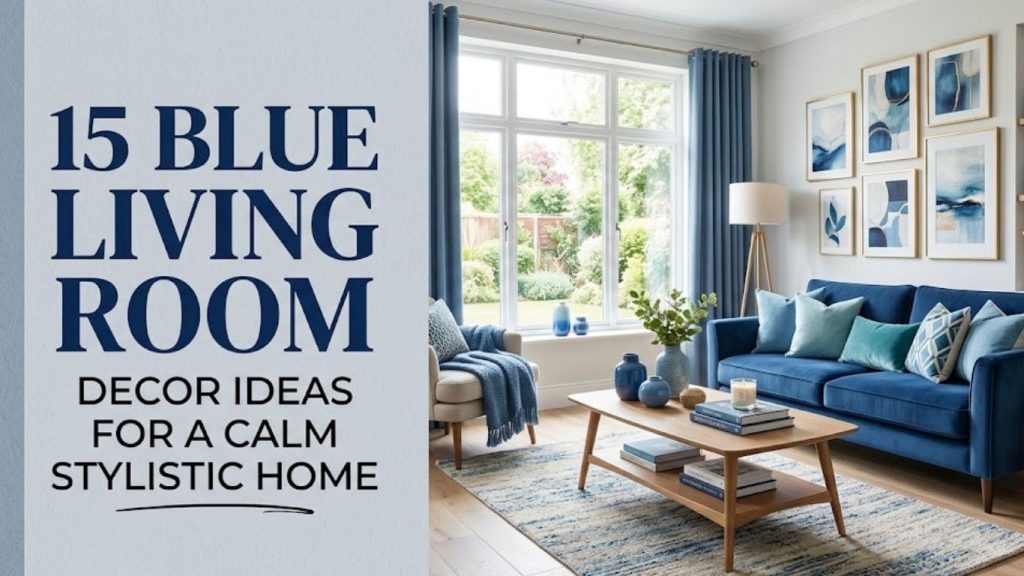
This post is a complete, user-friendly guide for styling a blue living room. Whether you already have a blue sofa you love, are thinking about painting an accent wall, or want to introduce blue through accessories, you’ll find practical tips, shopping suggestions, and 15 detailed decor ideas you can implement. I’ll cover color combinations, texture layering, lighting, furniture choices, and arrangement strategies so you can create a room that feels intentional and lived-in.
You’ll also get five recommended items to buy now — each explained so they’re easy to shop for — plus a short planning note before the main ideas. Read on for step-by-step inspiration and practical styling advice that will help you make the most of blue in your living room.
5 Items to Buy Now
Blue accent sofa or slipcover
A blue sofa is the clearest way to commit to a blue living room. Choose a saturated navy for drama, a velvet teal for glamour, or a soft powder-blue linen for a coastal feel. If a new sofa is beyond your budget, a machine-washable slipcover in blue can refresh an existing couch quickly. Look for durable upholstery with a tight weave if you have pets or kids. Choose cushions in complementary textures—linen, boucle, or velvet—and consider a neutral rug underneath to balance the color. A blue sofa anchors the room and makes styling choices easier.
Blue area rug
A large blue area rug ties the seating area together and introduces color at the ground plane. Solid blue rugs in different shades provide a tonal base, while patterned rugs (Moroccan, kilim, geometric) add visual interest. For high-traffic rooms choose wool or synthetic blends that stand up to wear and are easy to clean. Layering a smaller patterned rug over a jute or neutral base rug is a stylish technique that protects floors and adds dimension. The rug also helps define traffic flow and furniture placement in open-plan rooms.
Throw pillows in mixed blues and neutrals
Pillows are fast, inexpensive, and transformative. Build a set with different shades of blue—navy, teal, cerulean—paired with neutrals like cream, sand, or soft gray. Combine textures: velvet, linen, knit, and embroidered cotton to create depth. Use a large square as a base, add a lumbar accent, and finish with a smaller decorative cushion. Removable covers make cleaning and seasonal swaps easy. Pillows allow you to test different blue tones before committing to bigger changes and are an easy way to update the room for holidays or new trends.
Blue ceramic vases or decorative bowls
Decorative ceramics in blue range from deep indigo to hand-glazed aqua. Use tall vases for branches or pampas grass, medium vases for fresh flowers, and small bowls for keys or trinkets on a console. Group three ceramic pieces of varying heights on a tray for visual rhythm. Blue ceramics look particularly striking against white or natural wood surfaces and help repeat the blue theme subtly throughout the room. Invest in a couple of statement ceramics and mix them with neutral pieces for a curated look.
Blue-toned art or framed prints
Art can set the tone for the entire room. Choose one large blue abstract or a curated set of smaller blue-toned prints to create a gallery wall. Watercolors, ink washes, photography, or prints with blue accents all work. Consider framing in warm wood for contrast or crisp white for a coastal aesthetic. Art lets you introduce multiple shades of blue in one place and can guide the rest of your palette—pull colors from the art for pillows, rugs, and accessories for a cohesive design.
Before you start: quick planning notes
Decide on the role blue will play in your living room. Is it the dominant color (walls, sofa), the accent (pillows, art), or a mix of both? Consider your room’s natural light — cool blues can read crisp in bright light but may feel chilly in a north-facing room, where a warmer teal or blue-gray might be preferable. Sketch a rough layout and imagine the eye path through the room: the rug, the sofa, the focal wall. Measure your major furniture so any new items (like a large art piece or mirror) will be in scale. With those decisions made, you’ll be ready to apply the 15 decor ideas below.
15 Blue living room decor
1. Anchor the room with a navy focal wall
A navy focal wall creates instant drama and coziness without overwhelming a space. Paint the wall behind your sofa or media console in a deep navy and keep the other walls soft neutral—off-white, warm gray, or cream. This approach gives you a powerful backdrop for artwork, brass lighting, and wood furniture. To keep the room balanced, repeat navy in smaller accents—pillows, a rug, or ceramics. Navy absorbs light, so add layered lighting: a chandelier, floor lamp, and table lamps to make the wall read luxurious rather than dim. The result: a living room that feels both grounded and stylishly modern.
2. Layer blues with mixed-texture textiles
Instead of relying on one blue shade, layer several—e.g., a teal sofa, navy pillows, and a sky-blue throw—to build depth. Mix textures: a velvet cushion, a woven linen throw, a boucle pouf, and a smooth silk pillow. Different textures reflect light uniquely, making the blues feel richer and more interesting. Place heavier textures (velvet, wool) near seating and lighter ones (linen, cotton) in sunny spots. This technique avoids monotony and produces a tactile, inviting space where blue becomes a sophisticated key rather than a flat block of color.
3. Create a coastal vibe with aqua and whites
For a breezy, coastal living room, pair aqua blues with crisp white, light rattan, and driftwood tones. Use white slipcovered seating or cream linen textiles combined with aqua pillows and a light blue rug. Add natural textures—woven seagrass baskets, a jute rug, or rattan chairs—to bring warmth. Shells, coral sculptures, and framed seaside photography make the theme explicit without feeling kitschy. Keep metal finishes light—brushed nickel or matte brass—to enhance the airy, beach-house vibe. This palette is great for sunlit rooms and creates an instantly relaxing atmosphere.
4. Use blue and brass for a luxe, mid-century look
Blue and brass is a classic glamorous pairing. A deep blue velvet sofa with brass legs, a brass-framed mirror, and warm wood tones reads like mid-century-meets-modern glam. Use brass light fixtures—a sputnik chandelier or arc floor lamp—to introduce warm metallic highlights that pop against blue. Accent with geometric patterns in cushions or a rug for visual movement. This look works especially well when you limit additional colors—let the blue and brass be the stars. The metallic warmth prevents the blue from feeling cold and elevates the whole space.
5. Bring in botanical energy with blue-green tones and plants
Blue-green shades like teal and verdigris pair beautifully with plant life. Choose planters in muted blue hues and incorporate large-leaf plants—monstera, fiddle leaf fig, or rubber plant—to echo the color palette. Use wooden planters and woven stands to add natural texture. A few well-placed plants soften the room, improve air quality, and make blue feel fresh and organic rather than staged. Arrange plants at varied heights—floor, console, and hanging—to create a layered green-blue composition that feels like a calm indoor garden.
6. Pair indigo with warm woods for a cozy library feel
Indigo walls or an indigo sofa create a moody, library-like atmosphere when paired with warm wooden bookshelves and leather seating. Add a large rug with blue motifs, brass reading lamps, and framed vintage maps or botanical prints for a studied vibe. Deep blue absorbs light and encourages lingering with a book and a cup of tea. Throw in textured blankets and a leather club chair to balance the coolness of indigo. The wood tones and warm lighting will keep the room inviting rather than somber.
7. Invest in blue patterned wallpaper for an accent wall
A patterned wallpaper in blue can be transformative—think oversized botanicals, ikat motifs, or watercolor stripes. Use it on one wall behind the sofa or the TV to create a visual anchor. Coordinate upholstery and cushions by picking colors from the wallpaper to ensure cohesion. Keep furniture simple and neutral so the pattern is the star. A patterned wallpaper introduces personality and makes a bold statement without repainting the whole room. If you prefer small-scale change, consider peel-and-stick wallpaper for easy updates.
8. Create contrast with blue and earthy terracotta accents
Blue and terracotta is a surprising but beautiful pairing: the coolness of blue meets the warmth of baked clay. Use deep blue upholstery or rugs with terracotta throw pillows, ceramics, or a terracotta hearth. This contrast is especially effective in rooms with lots of natural light, where the terracotta’s warmth balances the blue’s coolness. Add wooden furniture and woven textures to bring cohesion. This palette is modern and grounded—perfect if you want a blue living room that still feels cozy and organic.
9. Design a monochromatic blue scheme for serene sophistication
Monochrome blue rooms—using different shades of the same hue—can feel elegantly cohesive. Start with a dominant tone (say, mid-blue) and layer lighter and darker shades across furniture, rugs, and walls. Use white trim and neutral floors to keep the room from feeling heavy. Introduce texture (sheepskin, linen, wood) to avoid flatness. This approach is soothing and highly curated; it’s particularly effective in minimalist, Scandinavian, or contemporary interiors where restraint is part of the aesthetic.
10. Add blue accents to a neutral living room for subtlety
If you prefer a mostly neutral room, introduce blue through smaller accents—books, vases, throw pillows, or a single blue armchair. A neutral sofa with a few blue cushions and a blue patterned rug offers a refined look that’s easy to change seasonally. This method suits renters or those who like flexible palettes. Keep the number of blue pieces moderate and repeat one or two shades to tie everything together. You’ll get the calming effect of blue without a heavy commitment.
11. Mix blue with blush pink for a soft, contemporary palette
Blue and blush is a chic modern pairing—navy anchors the room while blush adds softness and femininity. Use blush cushions, a pale pink throw, or rose-gold accents with blue upholstery or rugs. This palette is unexpectedly elegant and works well for eclectic or modern interiors. Keep the balance two parts blue to one part blush to avoid making the room feel too sweet. Textures like velvet, satin, and brushed metal enhance the sophisticated, layered look.
12. Use blue ceramics and glass for reflective accents
Blue glassware and ceramics catch light and add an artisanal touch. Place a cluster of cobalt glass vases on a console, use blue-glazed bowls on a coffee table, or display blue pottery on floating shelves. These pieces bring color and shine in a subtle, built-in way. They work especially well against white walls or light wood surfaces where the blue can pop. Hand-blown glass with slight variations gives the room authentic charm and helps anchor smaller vignettes.
13. Pair blue with black and white for a graphic modern look
Blue, black, and white create a crisp, contemporary scheme. Use strong navy or royal blue as the accent color and keep furniture lines clean and architectural. Add black picture frames, side tables, or lamp bases for contrast; white walls and trim keep the space airy. Graphic pillows or rugs in black-and-white patterns create an energetic counterpoint to blue’s calm. This palette reads modern and sophisticated and is great for urban apartments that want personality without clutter.
14. Create a gallery wall with blue-themed art
A gallery wall composed of blue-themed artwork—abstracts, landscapes, or coastal photography—creates a curated focal point. Mix frame styles and sizes for a collected feel but repeat a unifying color (blue) to link the pieces. Position the gallery above a sofa or console and anchor with a slim picture ledge if you like to swap pieces often. This strategy lets you control the overall mood: muted blues for calm, saturated blues for drama, or mixed blues for depth and variety.
15. Use lighting to enhance blue tones and atmosphere
Lighting makes or breaks a blue living room. Warm lighting (2700–3000K) keeps cooler blues from feeling chilly while cool lighting (3500–4000K) can brighten palest blues. Use layered lighting: overhead (dimmer-capable), task (reading lamps), and accent (picture lights, uplights). Place floor lamps near seating for ambience and table lamps on side tables to create cozy pools of light. Accent lighting can also highlight blue artwork or textured walls. Proper lighting ensures your blues always look intentional and inviting at any hour.
Practical styling tips and troubleshooting
Choosing the right blue for your light
Natural light matters. South- and west-facing rooms can handle deeper, saturated blues. East- and north-facing rooms usually benefit from warmer or lighter blues (teal, blue-gray) so the space feels bright. Test paint swatches on different walls and observe them at morning, afternoon, and evening light before you commit.
Balancing cool and warm elements
Blue tends to cool a space; balance it with warm woods, brass or copper metals, terracotta, or warm textiles. Rugs with warm undertones, wooden frames, and soft lighting will counterbalance cooler blue tones.
Scale and pattern choices
Large-scale patterns read differently than small repeats. In small rooms prefer subtle motifs or tone-on-tone patterns to avoid visual clutter. Bigger rooms can support bold patterns and larger statement pieces.
Maintenance advice for blue fabrics
Velvet and deep-dyed fabrics may show dust or wear more visibly. Vacuum regularly with an upholstery attachment and rotate cushions. For slipcovers, select washable fabrics, and for valuable pieces consider professional cleaning annually.
Mixing complementary colors successfully
If adding complementary colors (yellow, orange), use them sparingly as accents—pillows, flowers, small art pieces—to avoid overwhelming the blue aesthetic. The eye loves a controlled pop of contrast.
FAQ
What blue shade works best for a living room?
It depends on the mood. For calm and airy: powder blue, sky blue, or dusty blue. For dramatic and cozy: navy or indigo. For modern vibrancy: teal or cobalt. Consider natural light and existing wood/metal tones when choosing.
How do I prevent a blue living room from feeling cold?
Incorporate warm textures (wood, leather, woven rugs), warm metallics (brass, copper), soft lighting, and accent colors like terracotta or warm beige. Layer textiles and add plants for life.
Can I mix several blue shades in one room?
Yes—layering multiple blues (light, mid, dark) adds depth and sophistication. Use one dominant blue plus two supporting shades and repeat them in textiles, art, and accessories.
Is blue suitable for small living rooms?
Absolutely. Lighter blues make small rooms feel larger and airier. Use blue accents if you prefer not to paint walls: pillows, rugs, art, and a single blue armchair are great options.
What colors pair well with blue in a living room?
Neutrals (white, cream, gray), warm woods, metallics (brass, copper), earthy tones (terracotta, ochre), and complementary accents (blush, mustard) all pair beautifully with blue.
How can I update my blue living room seasonally?
Swap pillows and throws, change art, move in seasonal ceramics, and vary the rugs. Pillows and slipcovers are the fastest, lowest-cost updates.
Final words
Blue is a rich, versatile color that can be tailored to many design intentions—from tranquil coastal retreats to dramatic, moody lounges. The key to designing a standout blue living room is thoughtful layering: mix different blue tones, introduce contrasting warm elements, add varied textures, and use lighting to sculpt the mood. Start with one or two anchor pieces (a sofa, rug, or painted wall), then weave blue throughout the room using art, ceramics, and textiles. With the 15 ideas, product suggestions, and styling tips above, you have everything you need to create a beautiful blue living room that feels intentional, inviting, and uniquely yours. If you’d like, I can turn this into a printable styling checklist or a shopping list tailored to your room’s dimensions and budget — tell me your room size, preferred blue shade, and budget and I’ll draft it for you.